







Real Estate
The Day Uncle Sam Auctioned an Entire Marine Corps Air Station for $649.5 Million
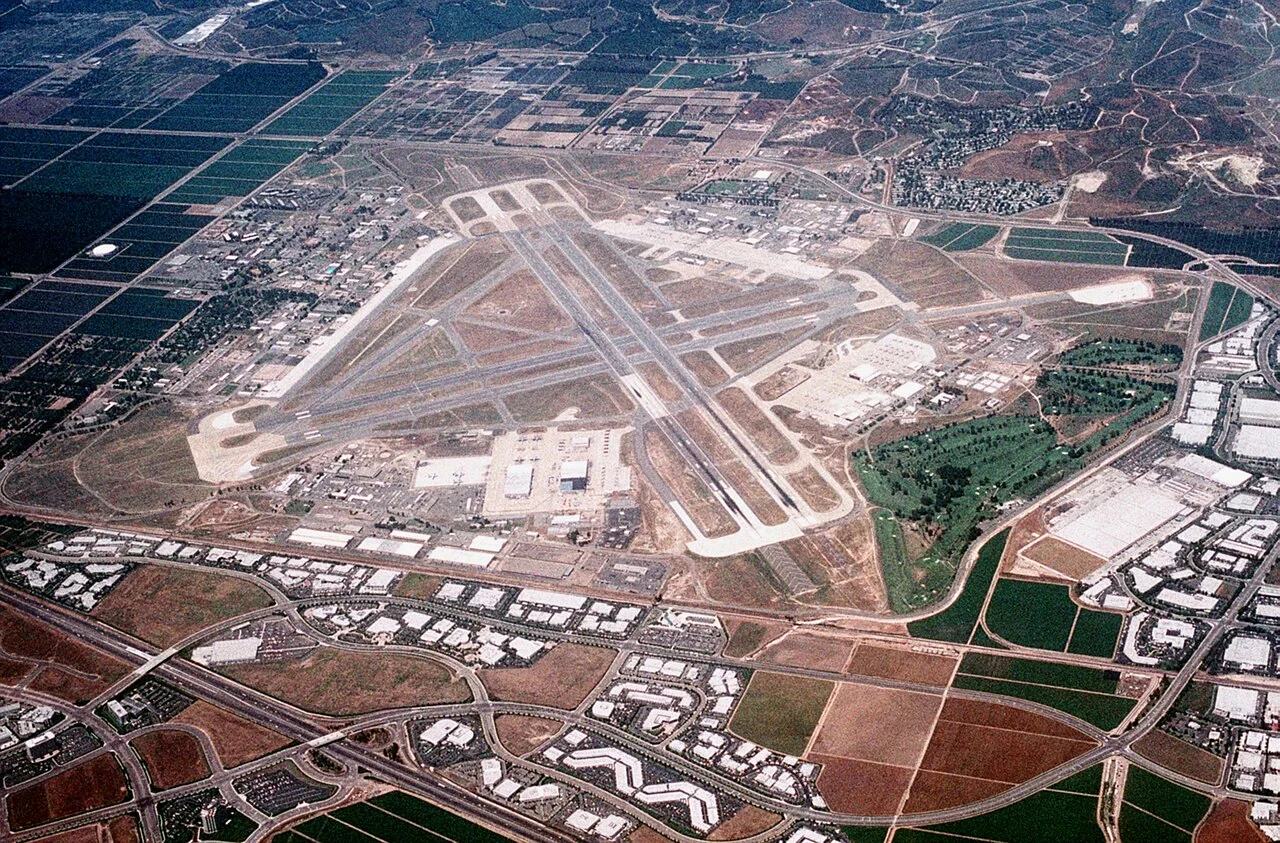
Ask most people what the government sells at auction and you will hear about retired police cruisers, tired dump trucks and pallets of office chairs. Very few would guess an entire Marine Corps air station. Yet on February 16, 2005, an online federal auction closed on 3,718 acres of the former Marine Corps Air Station El Toro in Orange County, California, and the winning bid stood at a breathtaking $649.5 million. More than twenty years later, it still ranks among the most remarkable government surplus sales the country has ever seen, and it stands as proof that almost anything Uncle Sam owns can one day find its way to the auction block. At UX Search, where we track government auctions across the country every day, El Toro remains the gold standard for just how big a government sale can get.
The winner was Lennar Corporation, one of the largest homebuilders in America, and it did not settle for a piece of the property. Lennar outbid Standard Pacific Homes and a third bidder registered as "OCHOPE" to take every acre on offer, a result the Los Angeles Times captured the next morning with a headline that needed no explanation: "One Bidder Wins It All at El Toro." The Defense Department saw the sale as a model for disposing of closed bases in the future, a striking change from the long tradition of handing former military land to local governments for little or nothing.
To understand why the sale drew so much attention, it helps to remember what El Toro was. In early 1942, with the country newly at war, the Marine Corps paid the Irvine family $100,000 for 4,000 acres of Southern California farmland. The air station was commissioned on March 17, 1943, and it quickly became a cornerstone of Marine aviation during World War II. When the jet age arrived, El Toro grew right along with it, and in 1950 the Marines named it a permanent Master Jet Station. It went on to serve as home to the 3rd Marine Aircraft Wing, and for decades the roar of Marine fighters overhead was simply part of life in Orange County.


The base gave back to its neighbors in a way few military installations ever have. Its annual airshow became a Southern California tradition, filling the sky with precision flying and lining the flight line with aircraft that families could walk right up to and admire. When El Toro staged its final show in 1997, an estimated two million people turned out to say goodbye, a farewell crowd fit for a base that had helped shape the identity of an entire county.
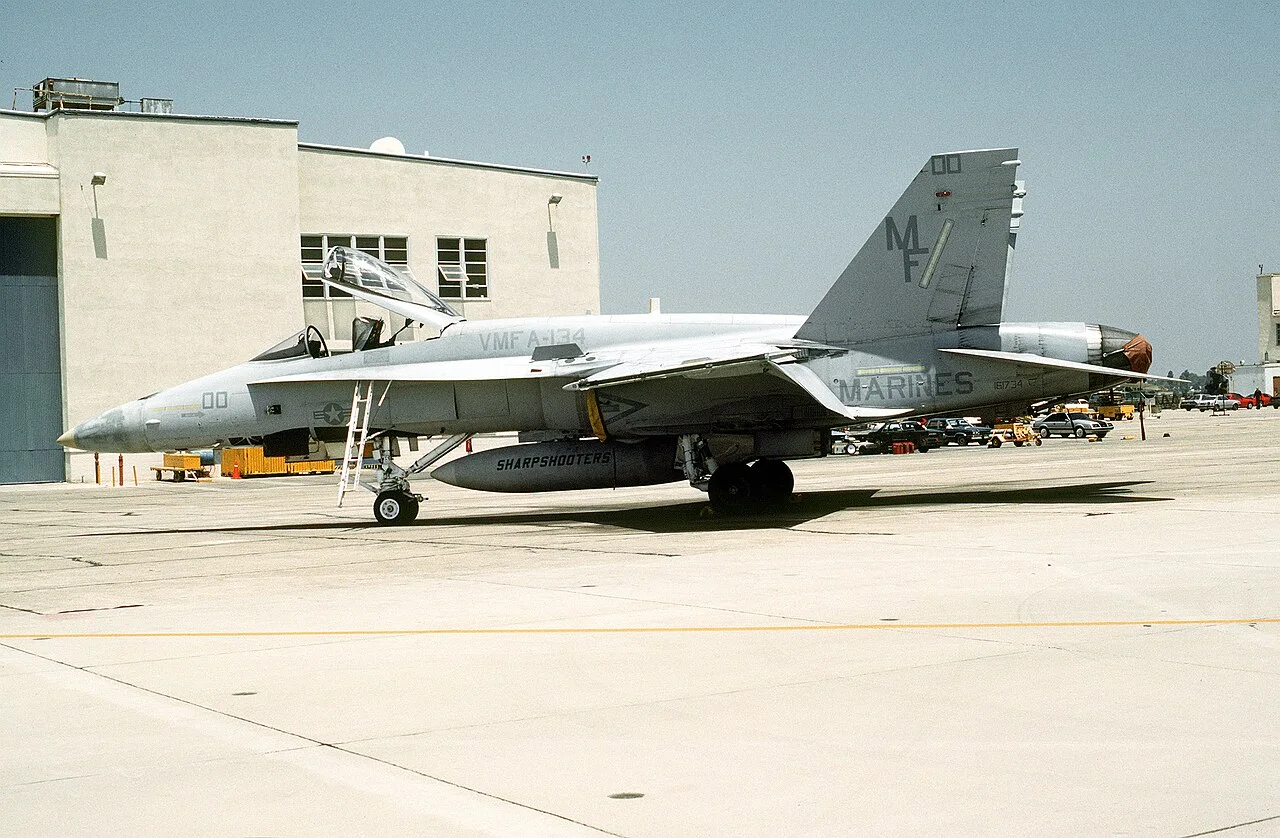
The end of the flying years came through the federal Base Realignment and Closure process, which named El Toro for closure in 1993. Its aviation units relocated south to Marine Corps Air Station Miramar near San Diego, and the last operations wrapped up in July 1999, closing out 56 years of Marine aviation on the site. What remained was roughly 4,700 acres of runways, hangars, roads and buildings in the middle of one of the most valuable real estate markets in the nation, and the question of what to do with it set off years of spirited public debate.
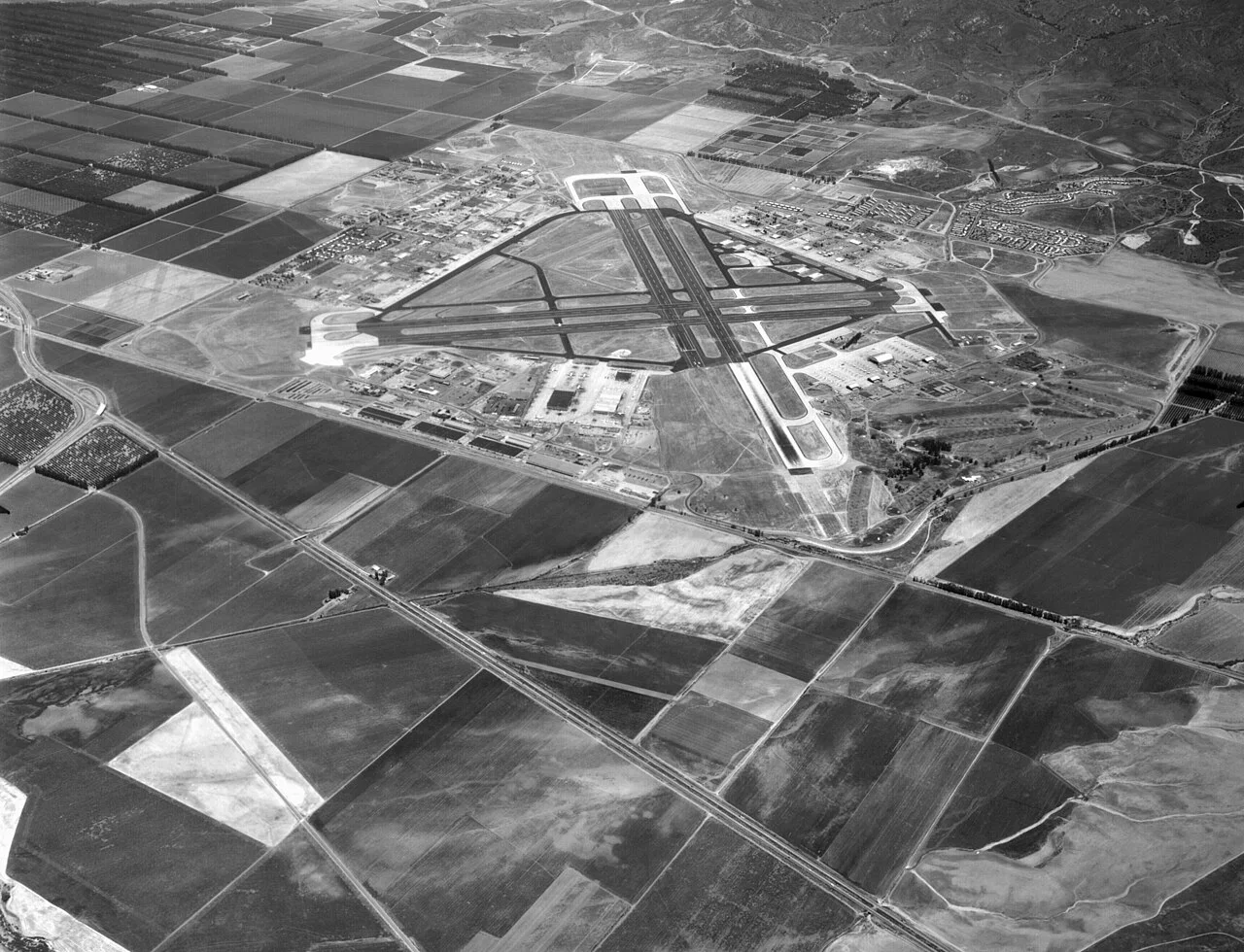
The answer took shape in two steps. About 1,000 acres went to other federal and state agencies, including land set aside as a wildlife preserve, and the Navy then offered the remaining 3,718 acres to the highest bidder through an online auction. The land did not come as a blank slate. Under the City of Irvine's plan for the site, the buyer would turn over about 1,500 acres to the city for the Orange County Great Park, with room for parks, museums and other public spaces. The remaining land could hold about 3,500 homes, 3 million square feet of commercial, industrial and retail space, and a university, and the buyer would fund roughly $400 million in infrastructure to bring it all to life.
In the years that followed, the old air station was reborn as a blend of parkland, neighborhoods, businesses and community spaces. The Orange County Great Park became its centerpiece, welcoming the same public that once crowded the flight line to watch the jets roar past. It is a fitting second act for a place that spent more than half a century bringing people together, and it all began with the click of a mouse on an online auction.
El Toro was a once-in-a-generation sale, yet the idea behind it is alive and well all year long, and that is exactly why we built UX Search. GSA Real Estate Sales, run by the U.S. General Services Administration, auctions surplus federal land, buildings and former government facilities, while the U.S. Treasury, the IRS and HUD sell seized, forfeited and foreclosed homes, and counties across the country hold tax deed and tax lien sales of their own. UX Search brings all of those sales together with one free search, so you can find government property without hopping from one agency website to the next.
If land is what you are after, our land auctions page gathers farms, acreage and rural parcels in one place, and the commercial real estate auctions page does the same for buildings and business property. Homebuyers can browse foreclosures and government-owned homes in the UX Auctions real estate section, where our editorial team covers the deals worth knowing about. Aviation fans who miss the roar over El Toro can explore the aircraft auctions and military surplus pages, where retired aircraft, parts and military equipment come up for bid.
And when the government sells vehicles and equipment, UX Search Analytics shows you what they actually sold for, so you can bid with real numbers instead of guesses. You may never win an entire air station, but the next great government auction deal is only one search away at uxsearch.app.
Photo & Resource Information Credits: U.S. Navy photos (public domain), via Defense Imagery and the National Museum of Naval Aviation
© 2026 UX™ LLC. All Rights Reserved.