


Tampa Machinery Works: Inside One of Florida’s Legendary Equipment Auctions
Before online listings and digital bidding reshaped the industry, buying heavy equipment meant showing up in person. Tampa Machinery Works was one of Florida’s most recognizable examples of that era.
UX Auctions Magazine Staff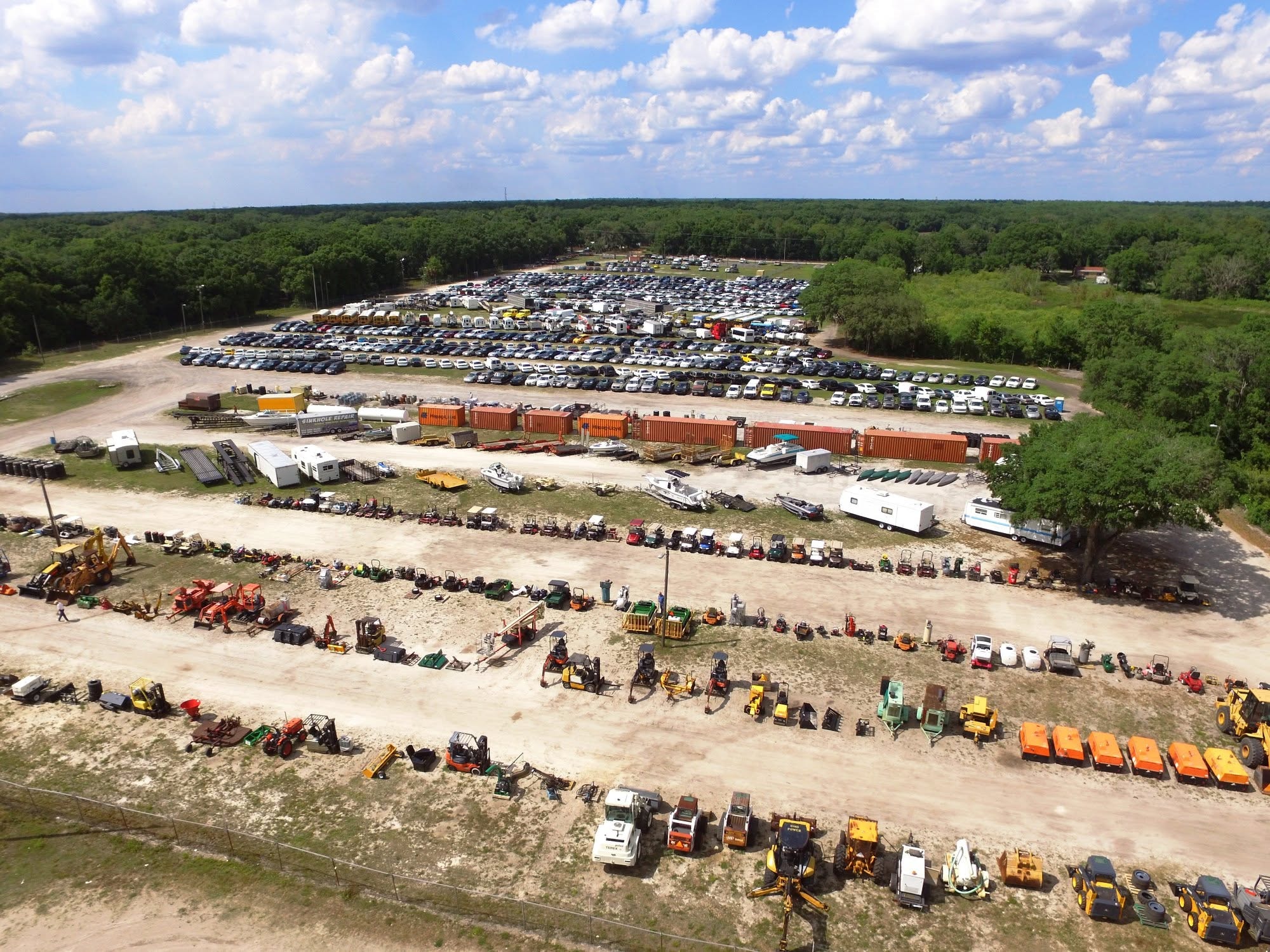
Before online listings and digital bidding reshaped the industry, buying heavy equipment meant showing up in person. Auction yards were physical places—dust, diesel, machinery, and conversation. Tampa Machinery Works, known simply as TMW, was one of Florida's most recognizable examples of that era.
For decades, equipment dealers, contractors, exporters and buyers walked its rows of machinery, inspected trucks and construction equipment firsthand, and gathered on auction day as the yard transformed into a marketplace. Long before online equipment auctions became standard, TMW brought buyers and sellers together face-to-face.
Walking the Yard
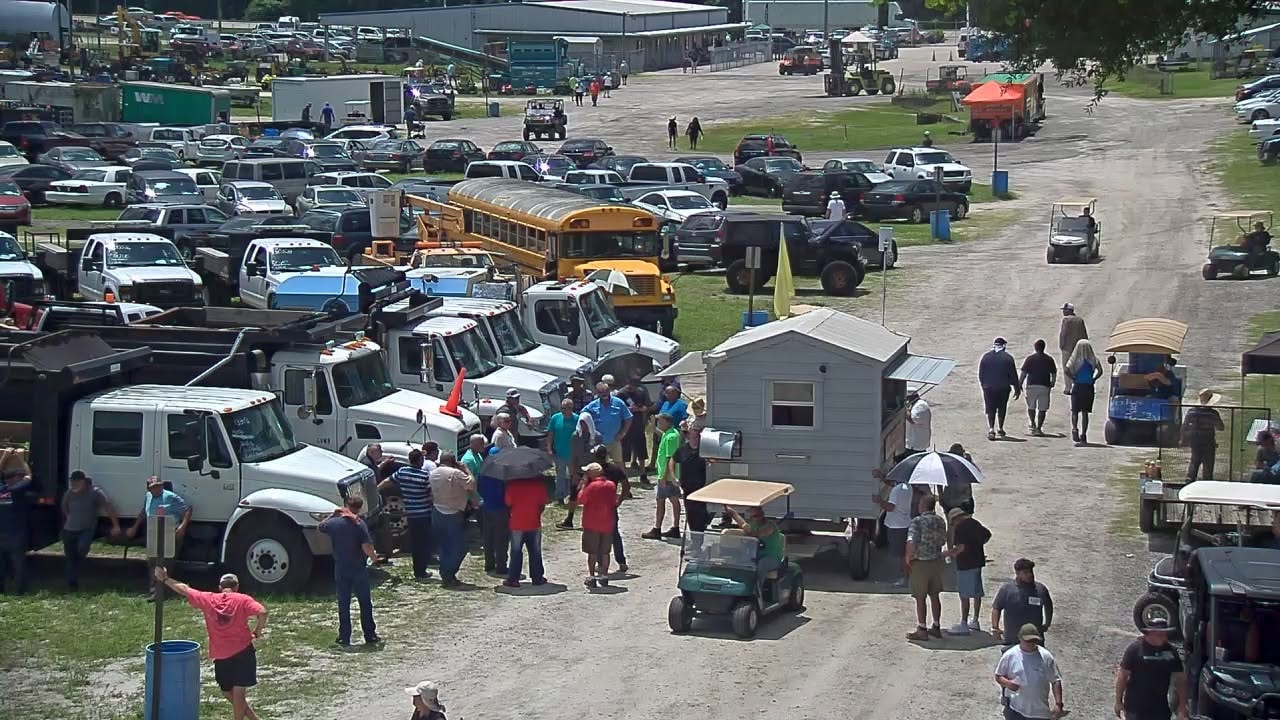
Buyers walking through trucks and heavy equipment at Tampa Machinery Works.
The defining feature of TMW was the equipment itself. It filled the grounds in long rows: construction machinery, trucks, trailers, loaders, excavators, cranes, utility equipment—machines in every condition imaginable.
Some pieces looked ready to go straight back to work. Others clearly needed repairs. That was part of the process. Buyers inspected equipment themselves, climbing into cabs, checking controls, looking for leaks, examining tires and undercarriages, and listening to engines run. Two machines sitting side by side could tell completely different stories, and understanding those differences was part of the craft.
Auction Day
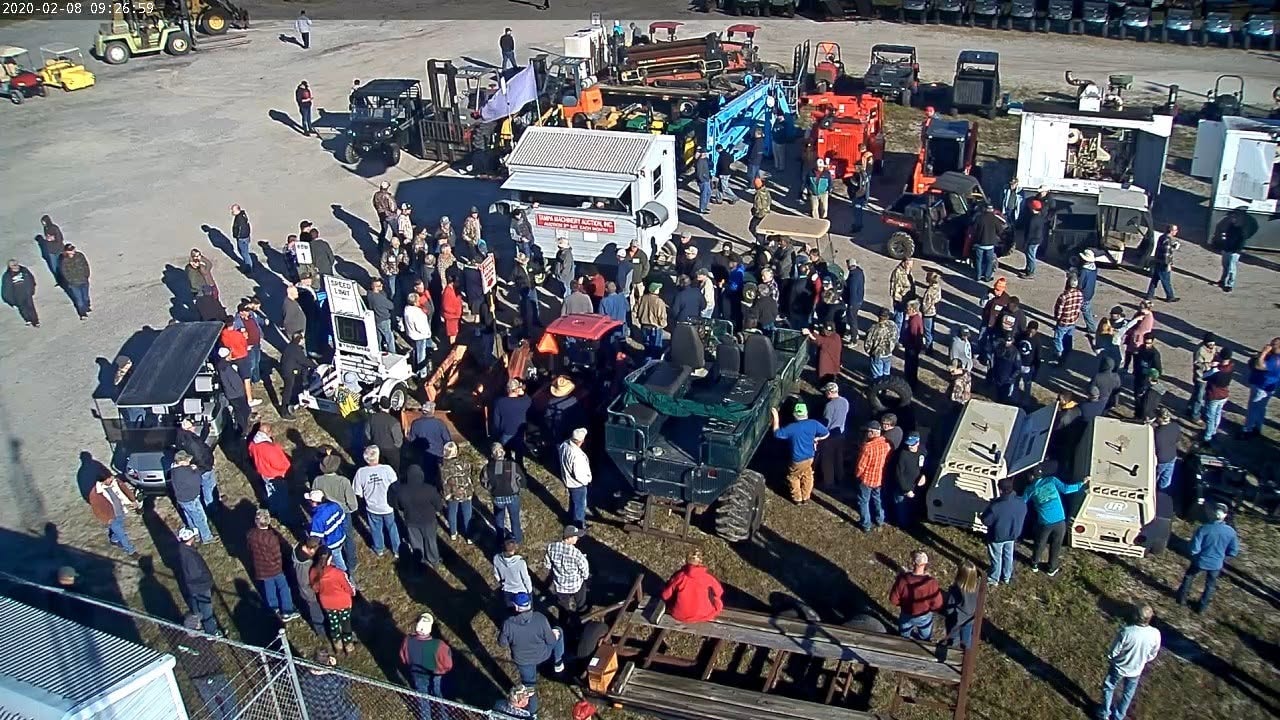
Crowd gathered around equipment during a live Tampa Machinery Works auction.
When auction day arrived, the atmosphere changed. The quiet inspection yard became active and crowded. Dealers watched one another. Contractors waited for specific machines. Export buyers calculated transportation and resale costs while bidding unfolded.
The auctioneer set the pace. A machine came up, bidding began, and within minutes it had a new owner. Then the crowd moved to the next lot. There were no browser tabs or countdown timers—only the sound of the auctioneer and the decisions buyers made in real time.
The People Behind the Bidding
Part of what distinguished auctions like TMW from modern online marketplaces was the community. Many buyers attended repeatedly. Dealers recognized other dealers. Contractors knew competitors. Export buyers understood which machines worked in their overseas markets.
Information moved through the yard in conversations. Someone might know where a machine had worked. Another might recognize the previous owner. Experienced buyers could often learn more from a few minutes of inspection than from dozens of photographs in a modern listing. For newcomers, simply listening offered an education.
Government and Fleet Equipment
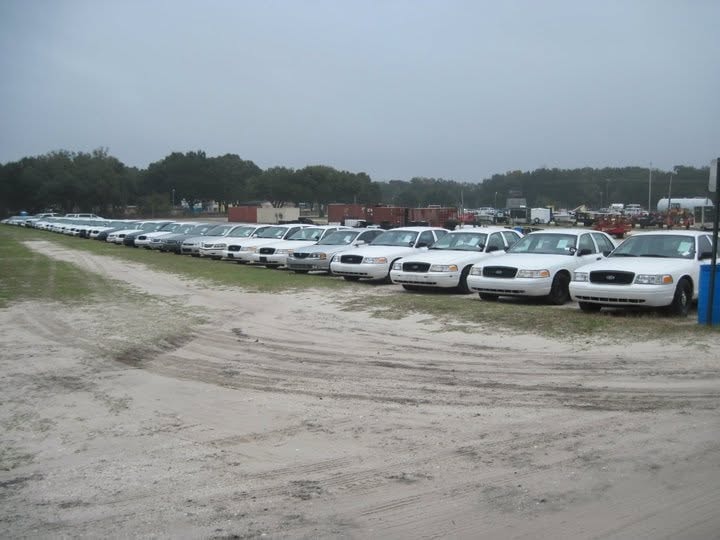
Rows of Crown Victoria fleet vehicles at Tampa Machinery Works.
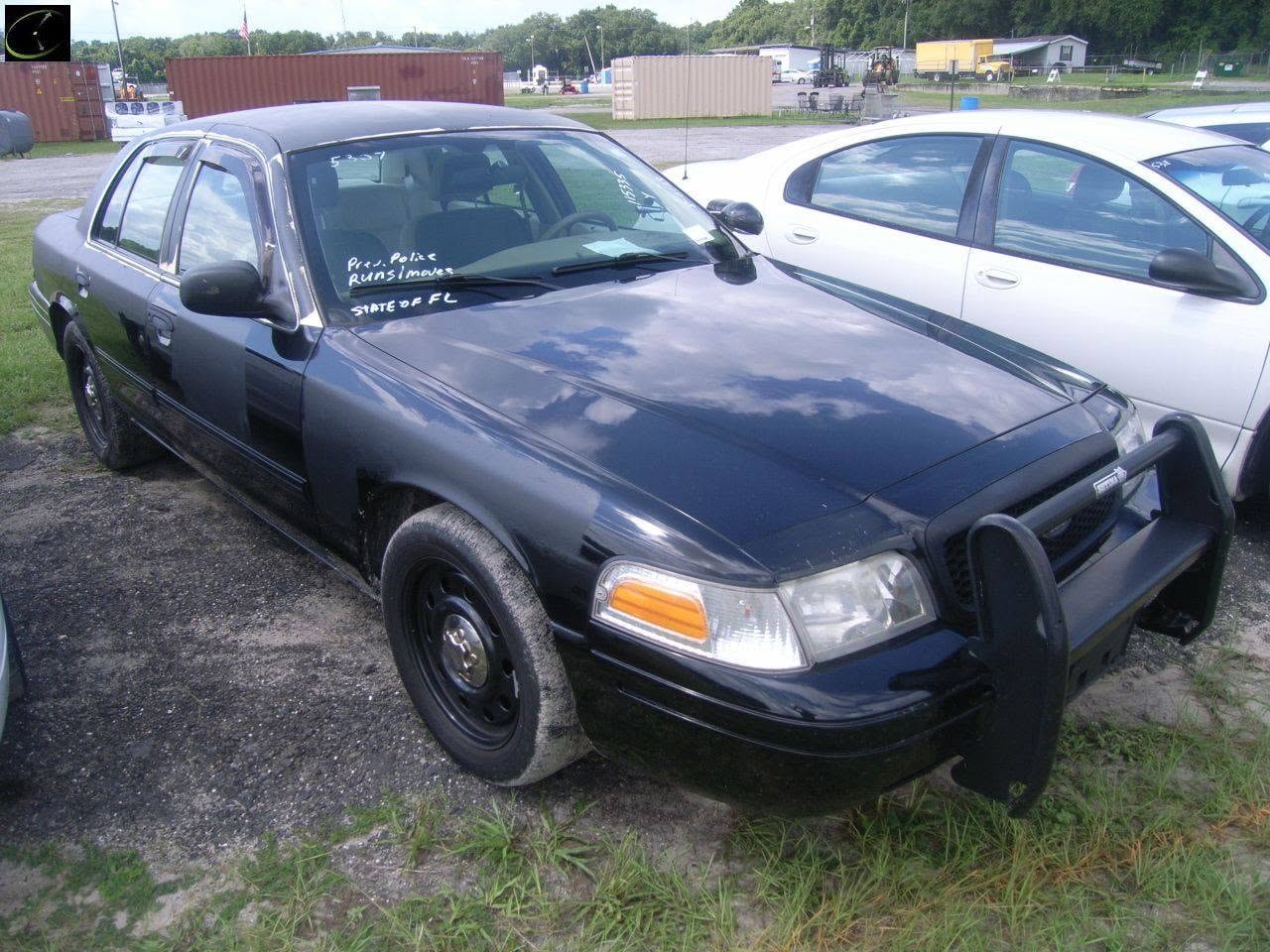
Former police and State of Florida Crown Victoria at Tampa Machinery Works.
Government and fleet equipment added another layer of interest. Municipalities, utilities, contractors and companies periodically replaced vehicles and machinery, sending trucks, utility equipment, construction machines and specialized assets into the secondary market. These items weren't always easy to find through conventional dealers, and auctions created opportunities for buyers who understood what they were looking at.
Condition mattered more than appearance. A machine didn't need fresh paint—it needed to make financial sense.
Understanding Condition
Risk was part of the business. Used equipment auctions weren't retail dealerships. Buyers made their own judgments about condition and value. Cosmetic issues might not matter. Mechanical problems could matter significantly.
A rough-looking truck might still have years of service left. A freshly painted machine could hide expensive issues. The auction yard rewarded knowledge, experience and careful inspection.
The Sound of an Equipment Auction
One element photographs can't capture is the sound. Diesel engines starting. Air brakes releasing. Backup alarms. Equipment moving across the property. The auctioneer calling bids. Buyers talking over machinery. Trucks arriving and leaving.
It was an industrial environment because the merchandise itself was industrial. The soundscape was part of the identity.
Equipment That Traveled Far Beyond Florida
Tampa's location placed TMW within reach of international buyers. Florida has long served as a gateway between the United States, Latin America, the Caribbean and other global markets. Used trucks and machinery purchased at the auction often traveled far beyond the state.
Export buyers approached bidding differently. Transportation, port costs and shipping all mattered. The machine had to make economic sense after every expense was added. Two buyers could stand beside the same loader for completely different reasons.
Before the Internet Changed Everything
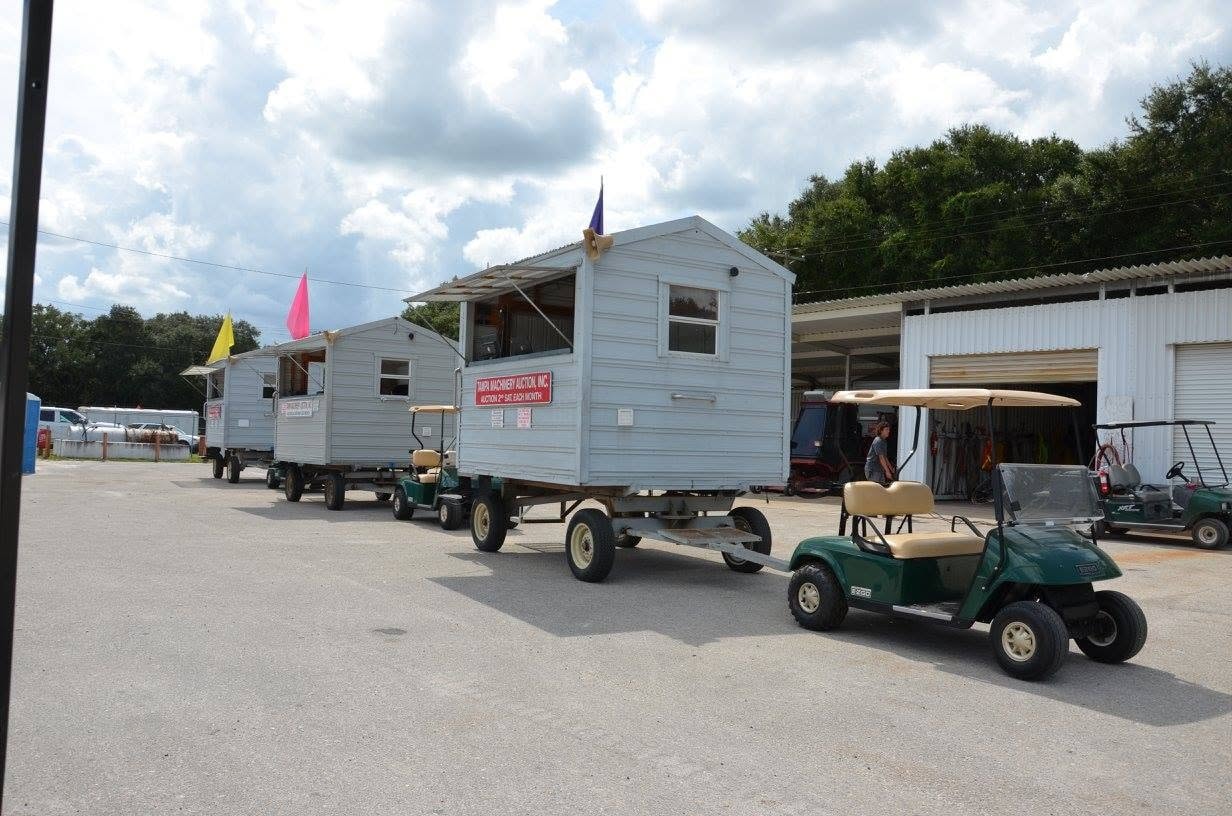
Auction sheds lined up at Tampa Machinery Works before online auctions became standard.
TMW operated during a period when auctions were destinations. To know what was being sold, buyers followed schedules, read mailed advertisements, called the auction company or visited the yard.
The internet changed that. Auction companies began posting inventory online. Digital photographs replaced much of the initial inspection process. Online bidding allowed distant buyers to compete with those standing at the sale. Eventually, entire auctions could take place without a crowd.
Access expanded dramatically. But something else faded—the auction yard as a meeting place, classroom and marketplace for the equipment business.
The Photographs That Remain
Photographs from Tampa Machinery Works capture a way of buying equipment that is increasingly difficult to explain to those who entered the industry during the online era. Machines weren't thumbnails on a screen. They were lined up across the property. Buyers walked the rows, inspected equipment where it sat, and made decisions based on what they saw and heard.
Those images document how the equipment-auction business once worked.
From Auction Yards to Search Engines
Today's buyers have access to more inventory than a TMW buyer could have imagined. Police vehicles, dump trucks, excavators, loaders, generators and government equipment can be found nationwide without leaving home.
Access improved, but the fundamentals remain unchanged: find the equipment, understand what you're buying, determine its value, and know when to stop bidding. Technology changed the format, not the core responsibilities.
Remembering Tampa Machinery Works
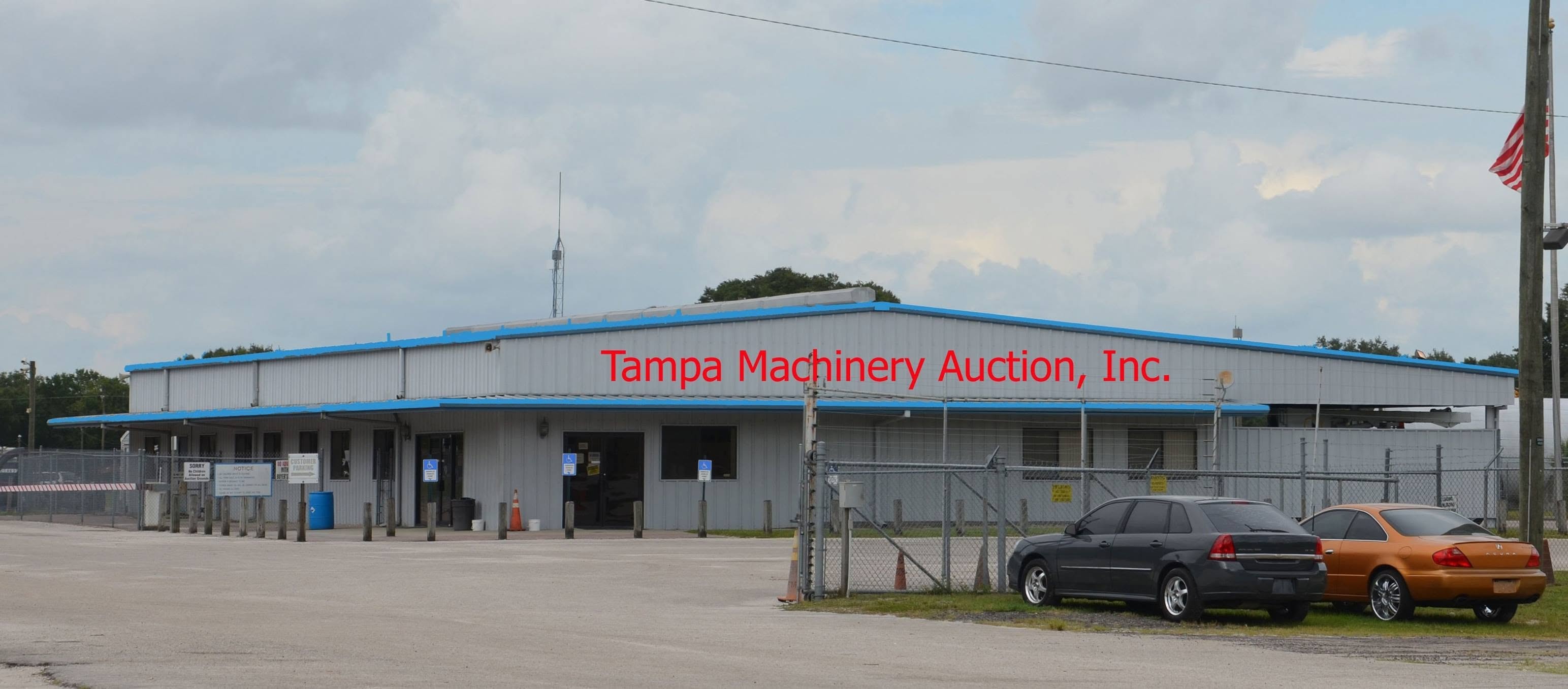
Tampa Machinery Auction building in Tampa, Florida.
For those who walked the rows, inspected machines and stood in the crowd as the auctioneer sold them one after another, Tampa Machinery Works represents a particular period in the equipment business. It was hands-on. Knowledge came from looking, listening and being present.
The marketplace today is larger, faster and more connected. But long before buyers could search thousands of auctions from a phone, places like Tampa Machinery Works were where the equipment market came together.
UX Auctions Magazine