


From Tanks to Lighthouses: The Strange History of GSA Auctions
From World War II surplus Jeeps and demilitarized tanks to nationwide online bidding and historic offshore lighthouses, the federal government’s surplus system has spent generations finding new owners for almost anything Uncle Sam no longer needs.
UX AuctionsLong before Americans could bid on government property from a laptop, Washington faced a much bigger question: what do you do with an entire war’s worth of stuff after the war ends? By 1945, the federal government owned mountains of vehicles, aircraft, machinery, factories, military bases, airfields, shipyards, construction equipment and everyday supplies that it no longer needed.
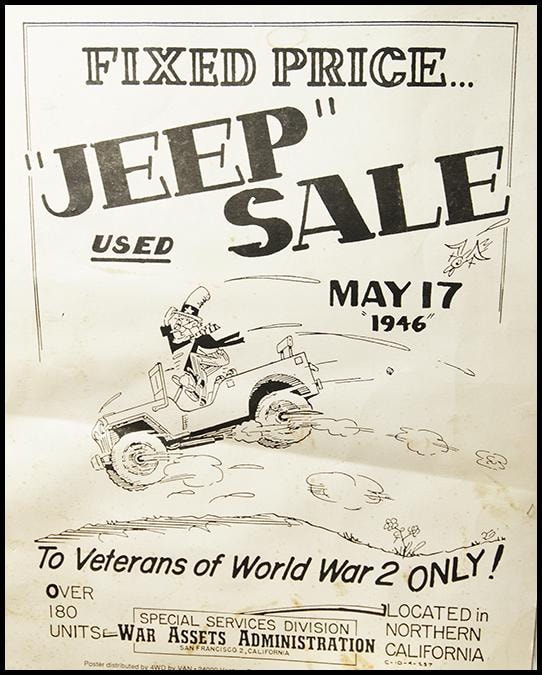
In March 1946, the government created the War Assets Administration to move that property back into civilian use. The agency disposed of everything from industrial plants and airports to prisoner-of-war camps, but its most recognizable merchandise sat on wheels. Surplus Jeeps became farm vehicles, Army trucks became commercial workhorses, and military machinery found jobs its designers had never imagined.
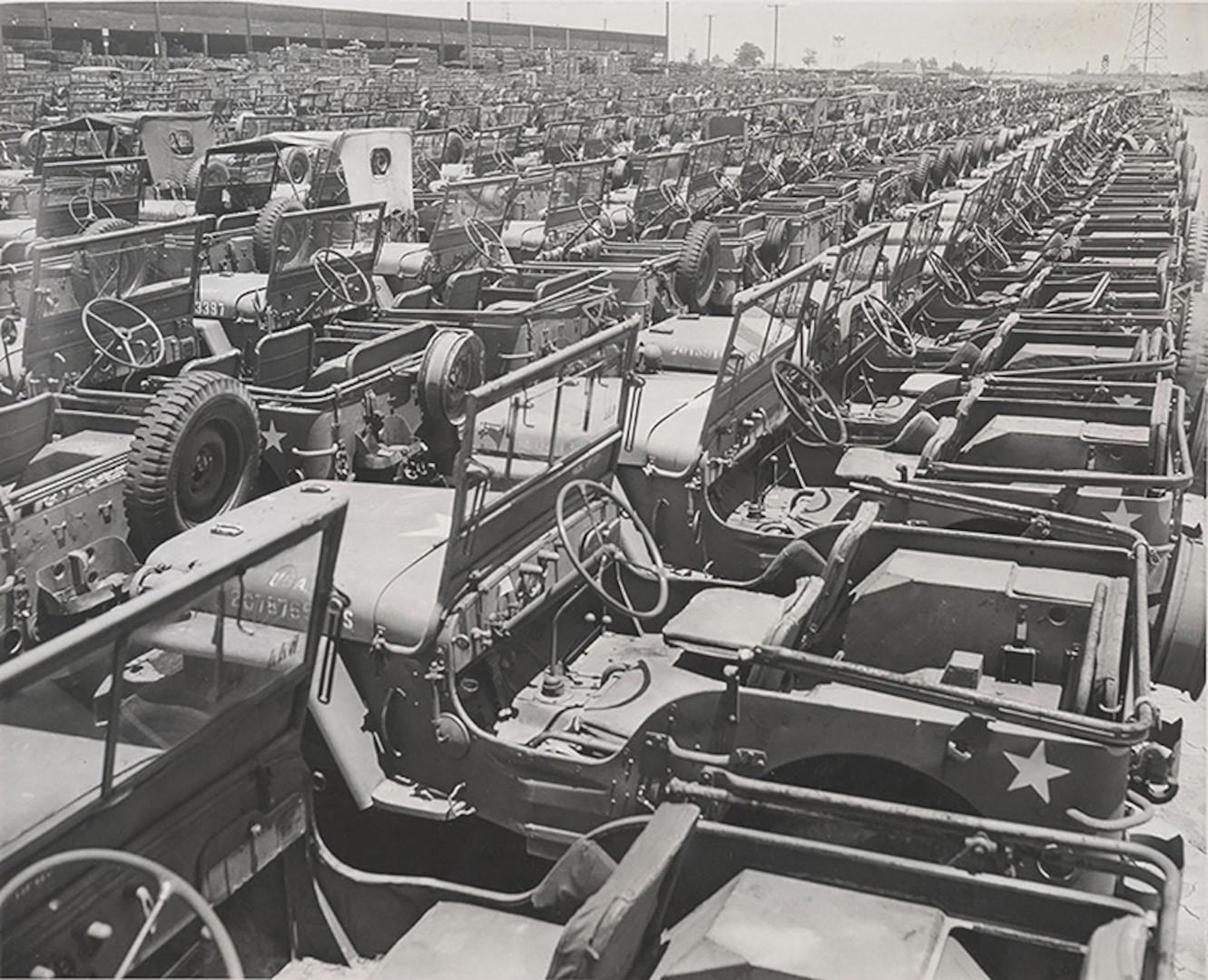
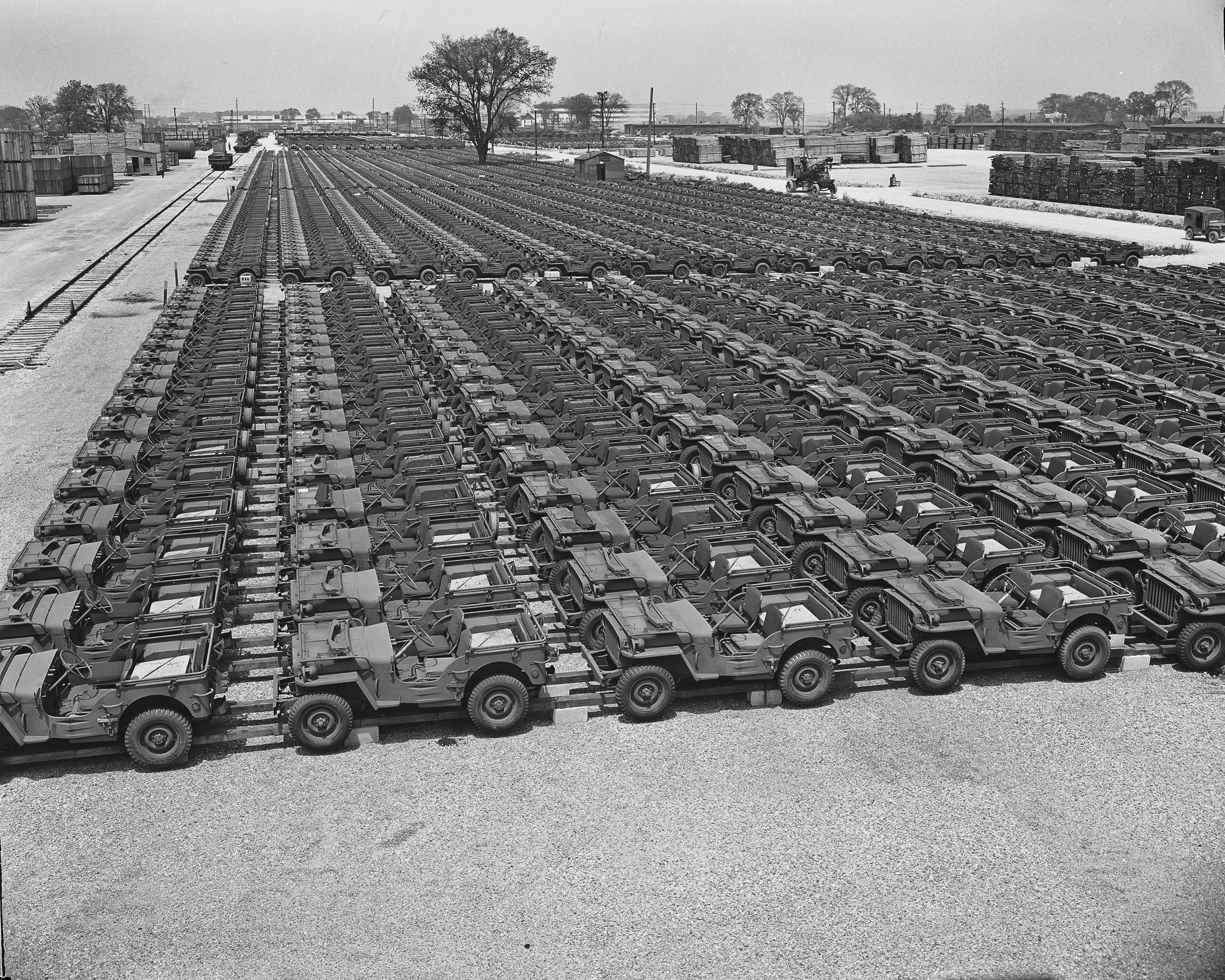
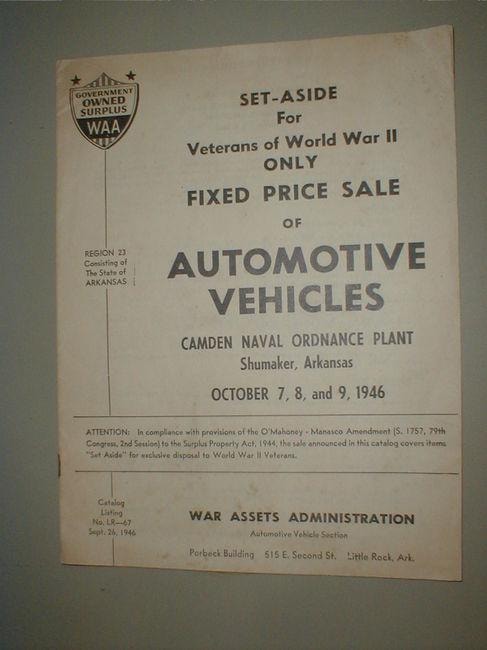
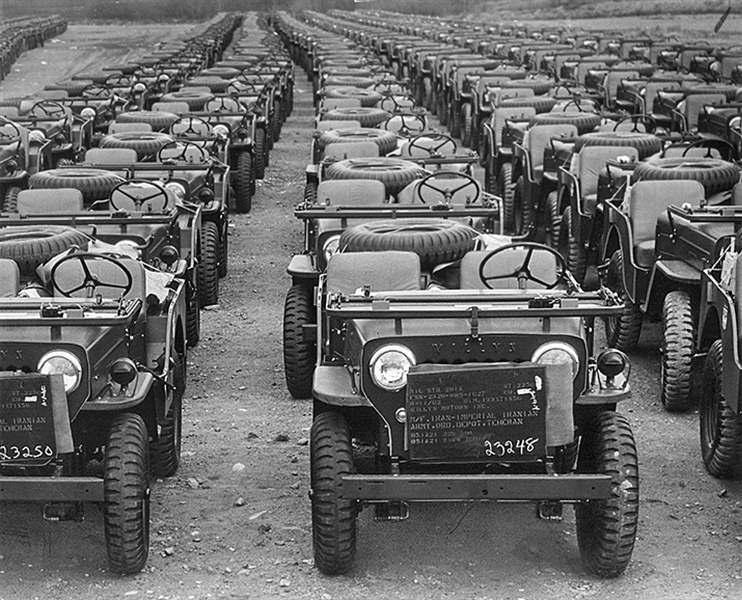
Surplus military Jeeps lined up for postwar disposal by the War Assets Administration.
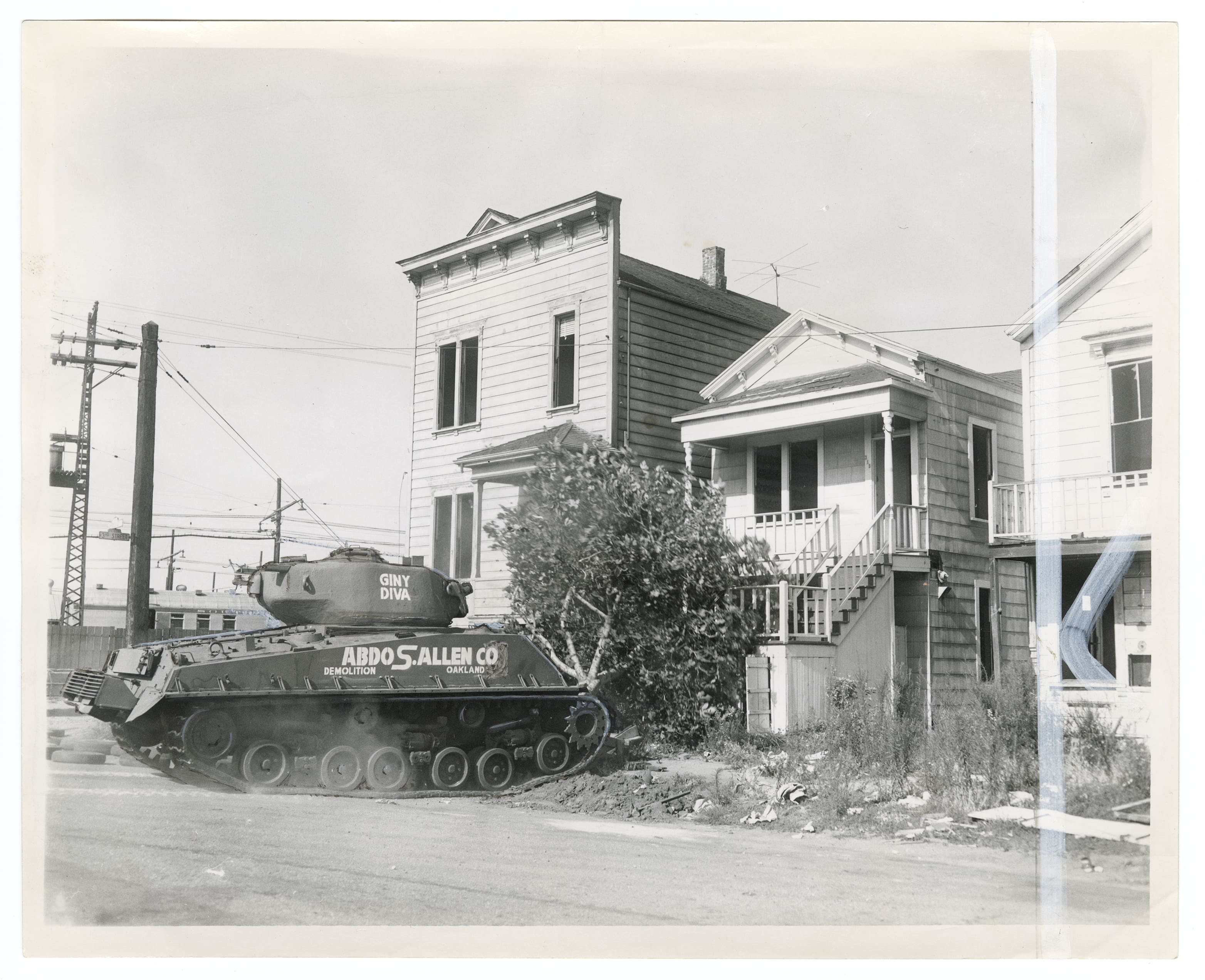
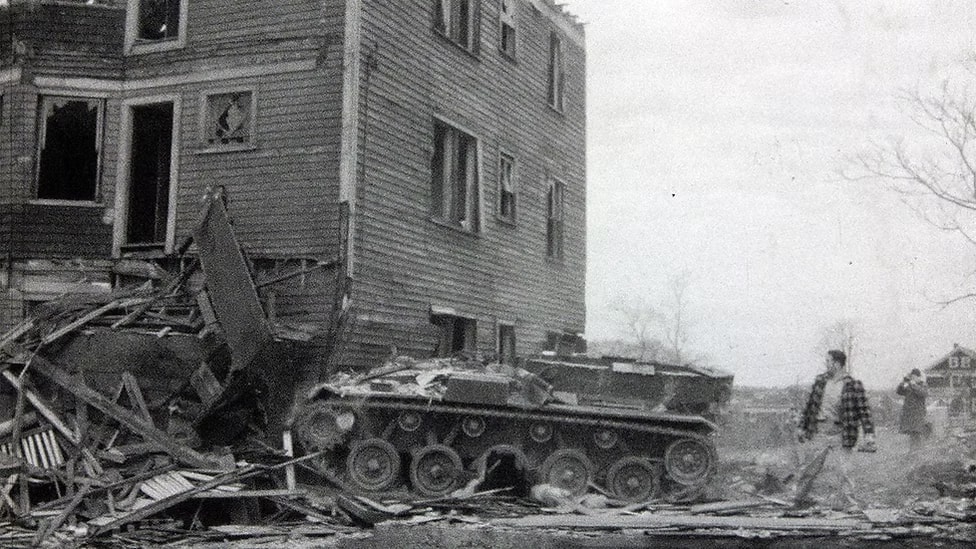
Some of the strangest conversions involved tanks. Once their weapons were removed or disabled, surplus armored vehicles were still immensely powerful tracked machines. Demolition contractors quickly realized they could drive one straight through a building.
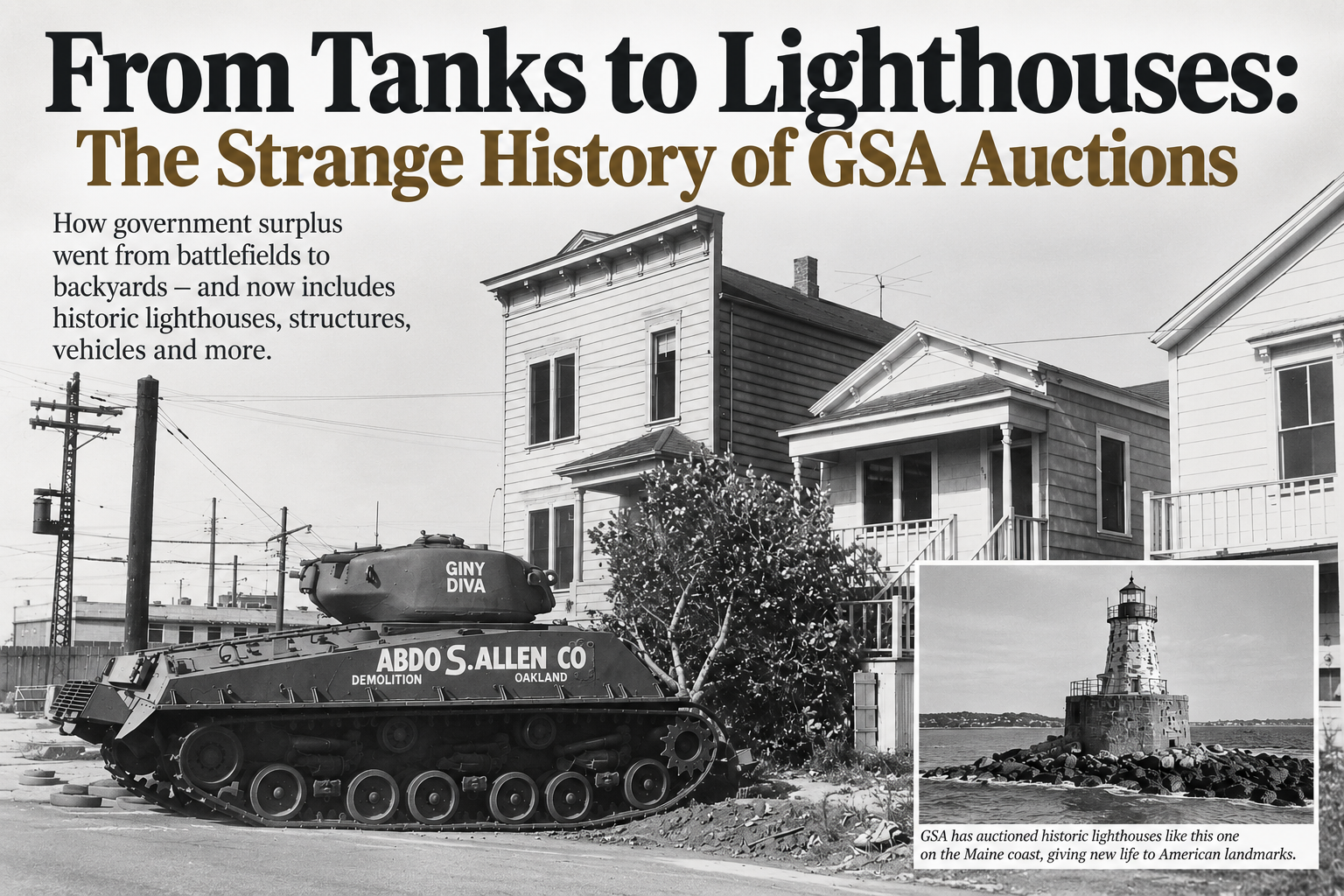
A 1958 Universal newsreel showed a New Jersey contractor using a surplus Sherman tank to flatten an old frame house in three passes, although the narrator mistakenly called it an M47 Patton. In Oakland, California, the Abdo S. Allen demolition company operated another Sherman named GINY DIVA during redevelopment work in 1960. A surplus armored vehicle also appeared on a demolition site in Providence, Rhode Island, during the early 1960s. These machines captured the basic idea behind government surplus: federal service might be over, but useful life did not have to be.
The War Assets Administration disappeared on July 1, 1949, when the Federal Property and Administrative Services Act created the General Services Administration. GSA absorbed the old agency’s disposal responsibilities along with broader duties involving federal buildings, supplies, records and property. Its early surplus inventory included trucks, farm machinery, power stations, books, coal, waste containers and even horses and mules. Government auctions were never just about used cars; they were about whatever Uncle Sam happened to own and no longer wanted.
Not everything went directly to the public. An item considered “excess” by one agency might still be useful to another agency or eligible public organization. Only after the required transfer and donation process could qualifying property become “surplus” and reach a public sale. The auction was the storefront, but behind it stood a much larger federal disposal system.
Before the internet, that storefront was physical. Buyers studied printed catalogs, inspected merchandise and traveled to warehouses, fleet yards and auction sites, where a human auctioneer controlled the action. At a June 1987 vehicle auction in Springfield, Virginia, roughly 300 people watched GSA sell 102 vehicles in about three and a half hours, producing $268,755. During the previous year, the agency had sold 36,973 cars, trucks, vans and motorcycles for $56.8 million through more than 500 sales nationwide.
Those auctions produced the same arguments heard at almost every public vehicle sale. Private buyers complained that dealers purchased too many cars, while dealers complained that private buyers paid too much. The difference was simple: a dealer needed room for transportation, repairs and profit, while someone buying a car for personal use might happily bid closer to retail value.
Live auctions were only one option. Depending on the property, GSA could use sealed bids, spot bids, fixed prices, negotiated sales or other methods. Variations of all those approaches remain available today because the objective was never to preserve a particular auction tradition; it was to dispose of public property efficiently.
The government’s back end went digital before its public auctions did. In 1975, GSA introduced a computer system called FSS-23 to track reportable excess and surplus property nationwide. It was later replaced by the Federal Disposal System, or FEDS, which became an electronic clearinghouse for government property. By 1999, federal regulations required agencies to submit reportable excess property electronically, allowing items to be screened inside government before being offered outside it.
The public auction finally moved online on January 17, 2001, when GSAAuctions.gov opened for business. Developed with Ariba and American Management Systems, the site launched with more than 400 assets and over 1,000 registered bidders. Its inventory included cars, boats, office equipment, industrial machinery and, in a wonderfully eccentric preview of things to come, a 1.5-carat diamond-encrusted gold money clip.
The new system broke the biggest limitation of the old auction world: geography. Buyers no longer had to travel to a warehouse or fleet yard just to participate. By the site’s first anniversary, it had attracted more than 37,000 registered users, conducted nearly 11,000 auctions, recorded over three million page views and sold more than $17.6 million in federal assets. Among the offerings were a 1979 Bentley Rolls-Royce and a former Coast Guard cutter.
Software also replaced much of the auctioneer’s job. Online rules controlled bid increments and extended closing times when bids arrived near the deadline. Instead of an auctioneer deciding when the action was finished, the clock did it automatically. Live auctions never vanished completely, however; GSA can still use them when large quantities of property are concentrated in one place.
Today, federal surplus can include furniture, laboratory instruments, heavy machinery, aircraft, vessels and practically every kind of vehicle. GSA says it auctions more than 30,000 fleet vehicles annually, including sedans, SUVs, pickups, vans, buses, ambulances, police vehicles, trailers and heavy trucks. Real-property programs can also handle land, offices, warehouses, schools, hospitals, residences, industrial facilities and former military holdings.
Congress passed the National Historic Lighthouse Preservation Act in 2000, creating a special process for historic light stations the federal government no longer needed. When the Coast Guard identifies such a property, GSA works with the Coast Guard and National Park Service to seek an eligible government or nonprofit steward. Only when that process fails may the lighthouse be offered at public auction.
In February 2022, GSA announced auctions for three Florida Keys lighthouses: Carysfort Reef, built in 1852 about six miles off Key Largo; Sombrero Key, built in 1858 about seven miles off Marathon; and American Shoal, built in 1880 about six miles off Sugarloaf Key. Bidding began at just $15,000 apiece, a price that sounded irresistible until the practical details arrived.
Registered bidders needed a $5,000 deposit, and inspections were limited to those who had registered. All three structures stood inside the Florida Keys National Marine Sanctuary, while Carysfort Reef and Sombrero Key were also within Sanctuary Preservation Areas. The winning buyer would inherit an offshore historic structure exposed to salt, storms, corrosion and water intrusion, potentially without conventional electricity, plumbing or sewage. Every contractor, tool, board and gallon of fuel might have to arrive by boat, weather permitting.
Historic-preservation restrictions could limit alterations, while federal rights to operate and maintain an active navigational aid might survive the sale. The buyer was not merely acquiring a romantic ocean hideaway; the buyer was accepting responsibility for a remote maritime structure with legal restrictions, expensive maintenance and continuing government interests. Winning the auction could easily be the cheapest part.
These sales are more than curiosities. By GSA’s 2023 count, the lighthouse program had transferred more than 150 structures out of federal ownership. Eighty-one went free to eligible public or nonprofit organizations, while 70 were sold at auction for a combined total of approximately $10 million. Some private owners successfully restored their lighthouses, with one becoming an overnight destination and another serving as a seasonal residence.
Modern auction pages make the process look deceptively simple: photograph, description, current bid, countdown and button. Before that page appears, however, agencies must determine that the property is no longer needed, screen it for other public uses, document its condition and location, identify restrictions, arrange inspections and select a legal method of disposal. Historic buildings can add environmental reviews, preservation requirements and continuing public-use obligations.
The public sees the exciting final act, but GSA manages the machinery behind it. That machinery grew from the enormous surplus left by World War II, survived the era of crowded auction yards and printed catalogs, moved onto the internet and eventually learned how to sell a lighthouse. The merchandise changed from Jeeps and demolition tanks to office towers and offshore landmarks, but the governing idea never did:
The Physical Auction
Before the internet, that storefront was physical. Buyers studied printed catalogs, inspected merchandise and traveled to warehouses, fleet yards and auction sites, where a human auctioneer controlled the action. At a June 1987 vehicle auction in Springfield, Virginia, roughly 300 people watched GSA sell 102 vehicles in about three and a half hours, producing $268,755. During the previous year, the agency had sold 36,973 cars, trucks, vans and motorcycles for $56.8 million through more than 500 sales nationwide.
Those auctions produced the same arguments heard at almost every public vehicle sale. Private buyers complained that dealers purchased too many cars, while dealers complained that private buyers paid too much. The difference was simple: a dealer needed room for transportation, repairs and profit, while someone buying a car for personal use might happily bid closer to retail value.
Live auctions were only one option. Depending on the property, GSA could use sealed bids, spot bids, fixed prices, negotiated sales or other methods. Variations of all those approaches remain available today because the objective was never to preserve a particular auction tradition; it was to dispose of public property efficiently.
The Back End Goes Digital
The government’s back end went digital before its public auctions did. In 1975, GSA introduced a computer system called FSS-23 to track reportable excess and surplus property nationwide. It was later replaced by the Federal Disposal System, or FEDS, which became an electronic clearinghouse for government property. By 1999, federal regulations required agencies to submit reportable excess property electronically, allowing items to be screened inside government before being offered outside it.
The public auction finally moved online on January 17, 2001, when GSAAuctions.gov opened for business. Developed with Ariba and American Management Systems, the site launched with more than 400 assets and over 1,000 registered bidders. Its inventory included cars, boats, office equipment, industrial machinery and, in a wonderfully eccentric preview of things to come, a 1.5-carat diamond-encrusted gold money clip.
The new system broke the biggest limitation of the old auction world: geography. Buyers no longer had to travel to a warehouse or fleet yard just to participate. By the site’s first anniversary, it had attracted more than 37,000 registered users, conducted nearly 11,000 auctions, recorded over three million page views and sold more than $17.6 million in federal assets. Among the offerings were a 1979 Bentley Rolls-Royce and a former Coast Guard cutter.
The Auctioneer Becomes Software
Software also replaced much of the auctioneer’s job. Online rules controlled bid increments and extended closing times when bids arrived near the deadline. Instead of an auctioneer deciding when the action was finished, the clock did it automatically. Live auctions never vanished completely, however; GSA can still use them when large quantities of property are concentrated in one place.
Today, federal surplus can include furniture, laboratory instruments, heavy machinery, aircraft, vessels and practically every kind of vehicle. GSA says it auctions more than 30,000 fleet vehicles annually, including sedans, SUVs, pickups, vans, buses, ambulances, police vehicles, trailers and heavy trucks. Real-property programs can also handle land, offices, warehouses, schools, hospitals, residences, industrial facilities and former military holdings.
Congress passed the National Historic Lighthouse Preservation Act in 2000, creating a special process for historic light stations the federal government no longer needed. When the Coast Guard identifies such a property, GSA works with the Coast Guard and National Park Service to seek an eligible government or nonprofit steward. Only when that process fails may the lighthouse be offered at public auction.
In February 2022, GSA announced auctions for three Florida Keys lighthouses: Carysfort Reef, built in 1852 about six miles off Key Largo; Sombrero Key, built in 1858 about seven miles off Marathon; and American Shoal, built in 1880 about six miles off Sugarloaf Key. Bidding began at just $15,000 apiece, a price that sounded irresistible until the practical details arrived.
Registered bidders needed a $5,000 deposit, and inspections were limited to those who had registered. All three structures stood inside the Florida Keys National Marine Sanctuary, while Carysfort Reef and Sombrero Key were also within Sanctuary Preservation Areas. The winning buyer would inherit an offshore historic structure exposed to salt, storms, corrosion and water intrusion, potentially without conventional electricity, plumbing or sewage. Every contractor, tool, board and gallon of fuel might have to arrive by boat, weather permitting.
Historic-preservation restrictions could limit alterations, while federal rights to operate and maintain an active navigational aid might survive the sale. The buyer was not merely acquiring a romantic ocean hideaway; the buyer was accepting responsibility for a remote maritime structure with legal restrictions, expensive maintenance and continuing government interests. Winning the auction could easily be the cheapest part.
These sales are more than curiosities. By GSA’s 2023 count, the lighthouse program had transferred more than 150 structures out of federal ownership. Eighty-one went free to eligible public or nonprofit organizations, while 70 were sold at auction for a combined total of approximately $10 million. Some private owners successfully restored their lighthouses, with one becoming an overnight destination and another serving as a seasonal residence.
Modern auction pages make the process look deceptively simple: photograph, description, current bid, countdown and button. Before that page appears, however, agencies must determine that the property is no longer needed, screen it for other public uses, document its condition and location, identify restrictions, arrange inspections and select a legal method of disposal. Historic buildings can add environmental reviews, preservation requirements and continuing public-use obligations.
The public sees the exciting final act, but GSA manages the machinery behind it. That machinery grew from the enormous surplus left by World War II, survived the era of crowded auction yards and printed catalogs, moved onto the internet and eventually learned how to sell a lighthouse. The merchandise changed from Jeeps and demolition tanks to office towers and offshore landmarks, but the governing idea never did:
Then there are lighthouses.
Congress passed the National Historic Lighthouse Preservation Act in 2000, creating a special process for historic light stations the federal government no longer needed. When the Coast Guard identifies such a property, GSA works with the Coast Guard and National Park Service to seek an eligible government or nonprofit steward. Only when that process fails may the lighthouse be offered at public auction.
In February 2022, GSA announced auctions for three Florida Keys lighthouses: Carysfort Reef, built in 1852 about six miles off Key Largo; Sombrero Key, built in 1858 about seven miles off Marathon; and American Shoal, built in 1880 about six miles off Sugarloaf Key. Bidding began at just $15,000 apiece, a price that sounded irresistible until the practical details arrived.
Registered bidders needed a $5,000 deposit, and inspections were limited to those who had registered. All three structures stood inside the Florida Keys National Marine Sanctuary, while Carysfort Reef and Sombrero Key were also within Sanctuary Preservation Areas. The winning buyer would inherit an offshore historic structure exposed to salt, storms, corrosion and water intrusion, potentially without conventional electricity, plumbing or sewage. Every contractor, tool, board and gallon of fuel might have to arrive by boat, weather permitting.
Historic-preservation restrictions could limit alterations, while federal rights to operate and maintain an active navigational aid might survive the sale. The buyer was not merely acquiring a romantic ocean hideaway; the buyer was accepting responsibility for a remote maritime structure with legal restrictions, expensive maintenance and continuing government interests. Winning the auction could easily be the cheapest part.
These sales are more than curiosities. By GSA’s 2023 count, the lighthouse program had transferred more than 150 structures out of federal ownership. Eighty-one went free to eligible public or nonprofit organizations, while 70 were sold at auction for a combined total of approximately $10 million. Some private owners successfully restored their lighthouses, with one becoming an overnight destination and another serving as a seasonal residence.
Modern auction pages make the process look deceptively simple: photograph, description, current bid, countdown and button. Before that page appears, however, agencies must determine that the property is no longer needed, screen it for other public uses, document its condition and location, identify restrictions, arrange inspections and select a legal method of disposal. Historic buildings can add environmental reviews, preservation requirements and continuing public-use obligations.
The public sees the exciting final act, but GSA manages the machinery behind it. That machinery grew from the enormous surplus left by World War II, survived the era of crowded auction yards and printed catalogs, moved onto the internet and eventually learned how to sell a lighthouse. The merchandise changed from Jeeps and demolition tanks to office towers and offshore landmarks, but the governing idea never did:
The government may be finished with something long before the thing itself is finished.
UX Auctions