






Gov Surplus
The Navy Sold the Top Gun Aircraft Carrier for One Penny. Then It Did It Four More Times.
In June 1985, Paramount Pictures brought its cameras aboard the USS Ranger to film scenes for the original Top Gun, and a generation of moviegoers fell in love with naval aviation. Nearly thirty years later, that same carrier made headlines again. On December 22, 2014, the Navy awarded International Shipbreaking of Brownsville, Texas, a contract worth exactly one cent to tow and recycle the Top Gun carrier, and every word of that is true.
At the UX Auctions Network, we follow government surplus sales across the country every day, and the penny carriers are among our favorite stories. The Ranger had famous company. Four more legends, the Forrestal, the Saratoga, the Kitty Hawk and the John F. Kennedy, all made their final voyages to Brownsville under one-cent arrangements of their own.
The Top Gun carrier
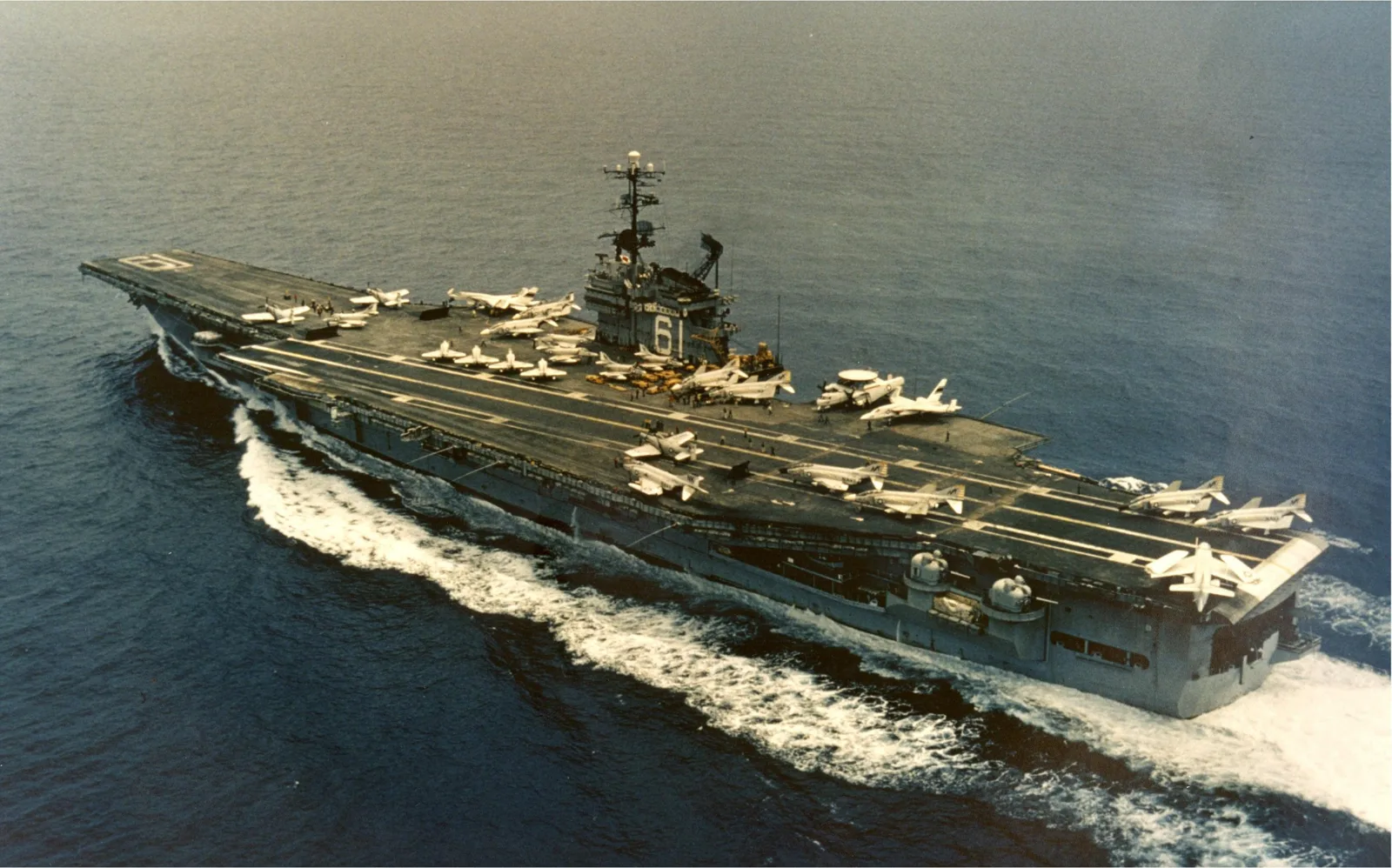
The Ranger was commissioned in 1957 and spent more than 35 years in the Pacific Fleet, completing 22 Western Pacific deployments and serving in the Vietnam War and Operation Desert Storm. More than 100,000 sailors and Marines served aboard her during her career, and she earned 13 battle stars for Vietnam service. Her honors include three Navy Unit Commendations, five Meritorious Unit Commendations and three Battle Efficiency awards, and in 1968 Commander Leland S. Kollmorgen of Attack Squadron 165 earned the Silver Star for his actions over Hanoi flying from her deck. Hollywood loved her too, and after Top Gun she stood in for the starship Enterprise in Star Trek IV: The Voyage Home.
The USS Ranger (CV-61), the carrier that helped make Top Gun a classic.
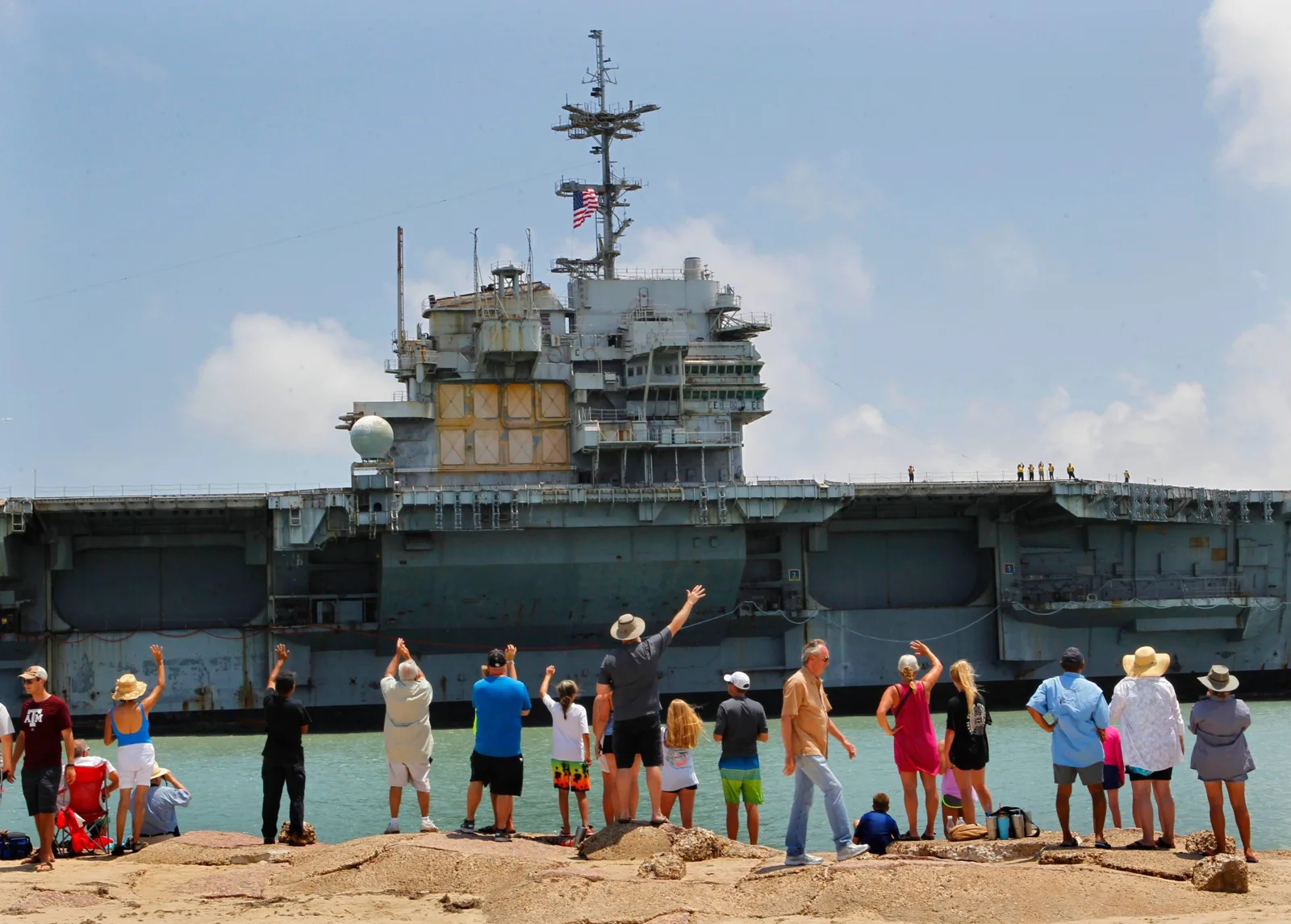
After her decommissioning in 1993, the USS Ranger Foundation worked for years to bring her to the Columbia River in Oregon as a museum, and her former crew rallied behind the effort. In March 2015 the Ranger began her final journey from Bremerton, Washington. Too large for the Panama Canal, she was towed thousands of miles around South America and reached Brownsville, Texas, on July 12, 2015.
Four more legends, four more pennies
The USS Forrestal led the way. Commissioned in 1955 as the Navy's very first supercarrier and named for James Forrestal, the nation's first Secretary of Defense, she ushered the Navy into the jet age. In 1963 a C-130 Hercules transport landed on and took off from her flight deck during experimental trials, and that aircraft, the only C-130 ever to land on a carrier, now resides at the National Naval Aviation Museum in Pensacola, Florida. In 1967 her air wing flew more than 150 missions from Yankee Station off Vietnam, and her crew's courage during the July 29, 1967, flight-deck fire shaped the Navy's modern firefighting and damage-control training. She later earned Meritorious Unit Commendations, including one for her 1988 deployment supporting Operation Earnest Will. All Star Metals of Brownsville received her one-cent contract in October 2013, and she arrived in Texas in February 2014.
The USS Saratoga followed. Commissioned in 1956, she served for nearly four decades, from the Cold War through Desert Storm, and supporters in Florida and Rhode Island championed her for years as a museum. Between September 2 and 19, 1972, her aircraft flew more than 800 combat strike missions over Vietnam, and in a single October day her air wing flew 83 close-air-support sorties in just six hours. In 1991 she launched strikes from the Red Sea during Operation Desert Storm. ESCO Marine of Brownsville received her one-cent contract in May 2014, and on August 21, 2014, she sailed beneath the Newport Bridge on her way to Texas.
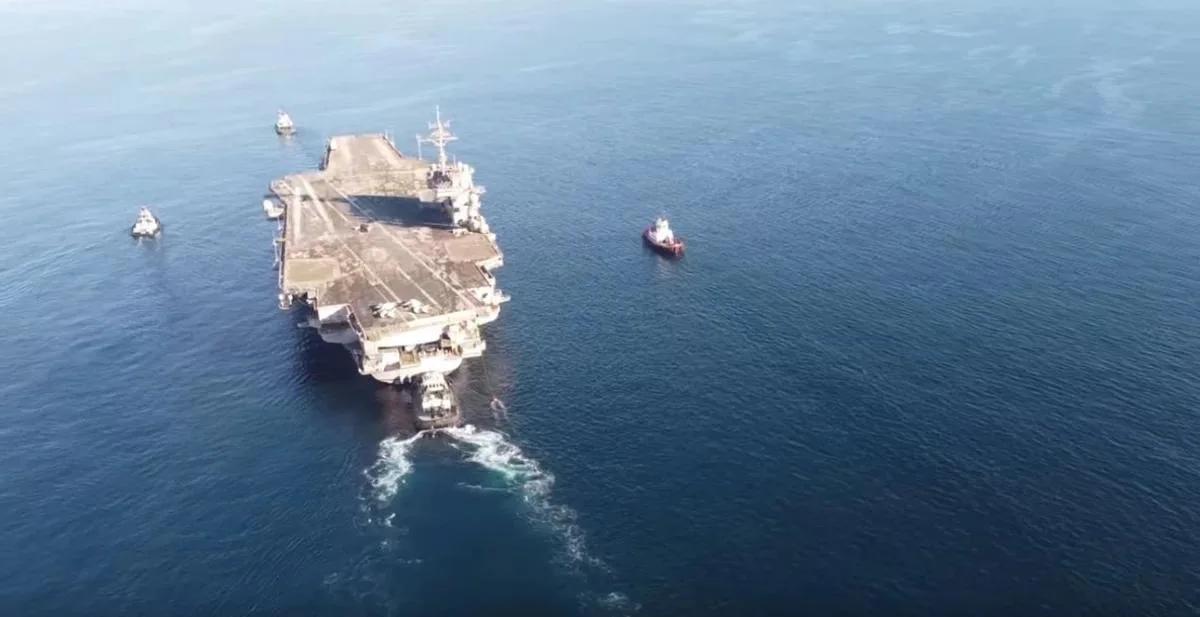
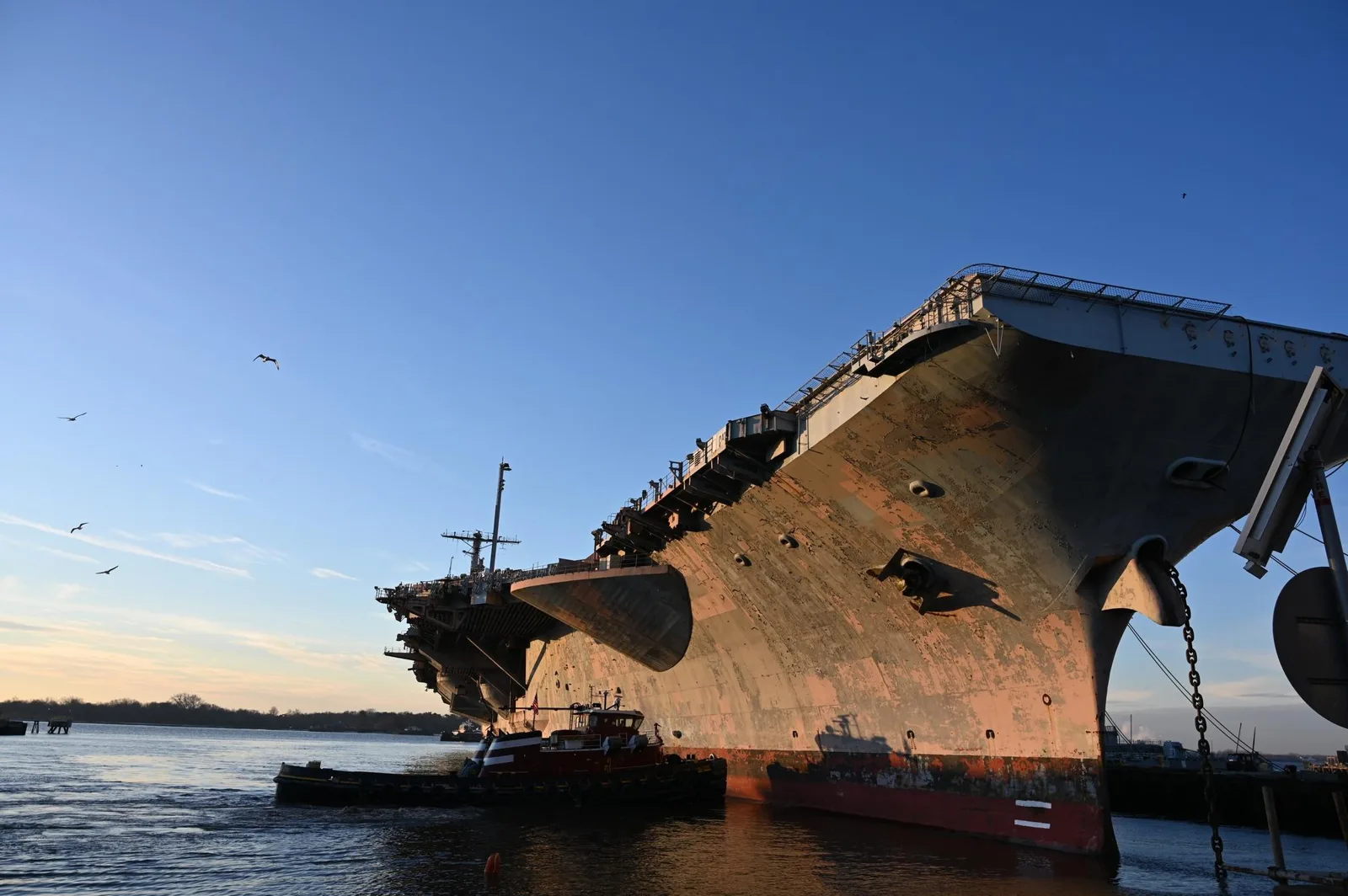
The USS Kitty Hawk, commissioned in 1961, served for more than 48 years, including a decade as the Navy's forward-deployed carrier in Japan. She and Carrier Air Wing 11 received the Presidential Unit Citation, signed by President Lyndon B. Johnson, for Vietnam combat operations from December 23, 1967, through June 1, 1968, and Commanders Jerrold M. Zacharias and Michael L. Hall earned the Navy Cross for a nighttime strike near Hanoi in February 1968. Her veterans association worked tirelessly to share her story, and original crew member Rich Orth, an Iowa farm boy who had never seen the ocean before joining the Navy, was among the many who stayed close to her. As former crew member David Cook put it, "It was our home." International Shipbreaking took her for a penny in 2021, and after a tow around South America she arrived in Brownsville on May 31, 2022.
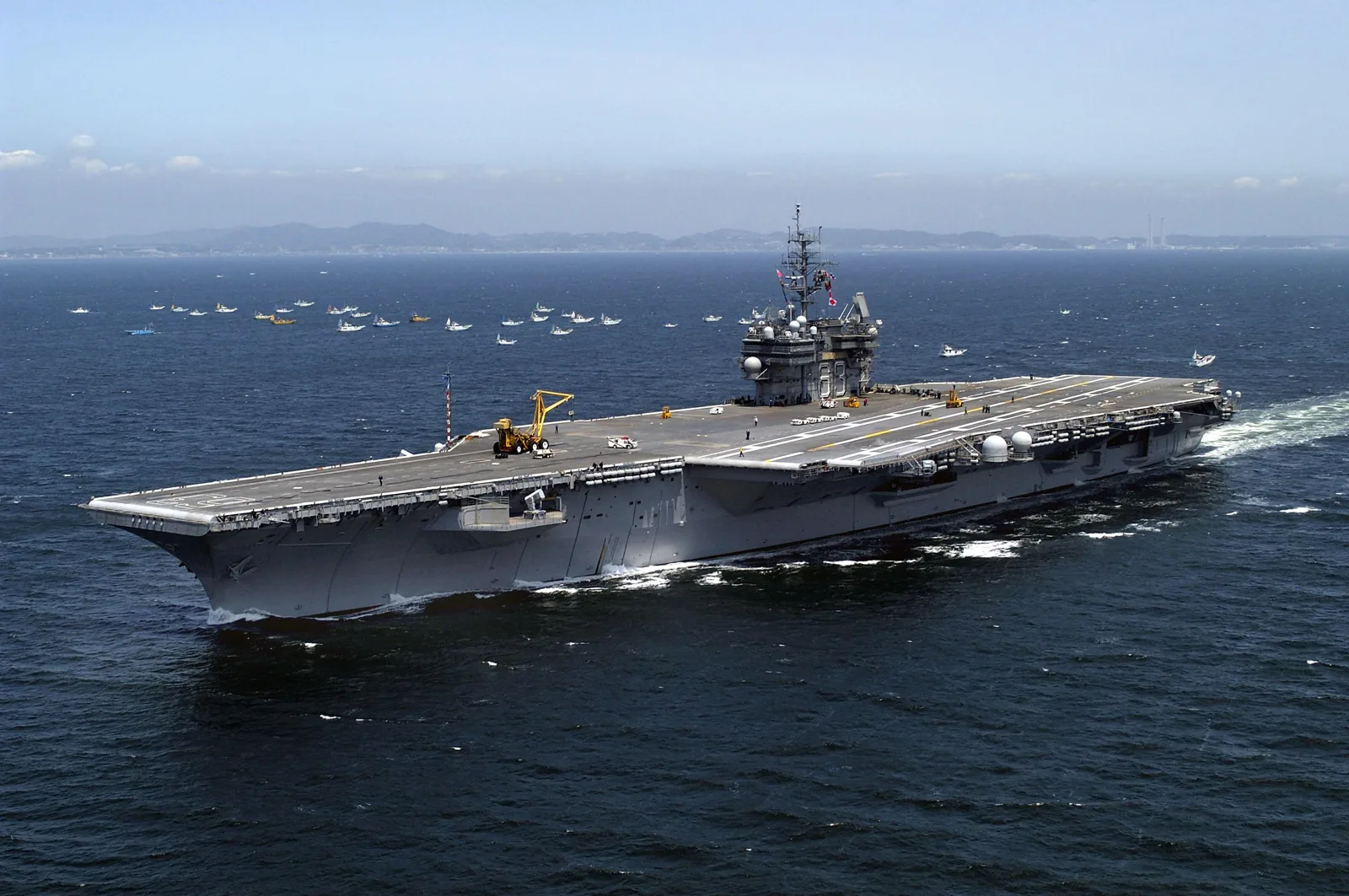
The USS John F. Kennedy, known to her crew as Big John, entered service in September 1968 and represented American naval power for nearly four decades, from the Mediterranean to Desert Storm and the operations in Afghanistan and Iraq. After Iraq invaded Kuwait in 1990, she deployed on short notice to the Red Sea and fought alongside the Saratoga in Battle Force Yankee, where aviators such as future Rear Admiral Thomas E. Zelibor of Fighter Squadron 32 flew 30 combat missions and earned the Distinguished Flying Cross with Combat "V." Her unit honors include the Navy Unit Commendation and three Meritorious Unit Commendations. She too went to International Shipbreaking for a penny in 2021. On January 16, 2025, she left Philadelphia under tow, and she arrived in Brownsville on February 2, 2025.
Why a penny?
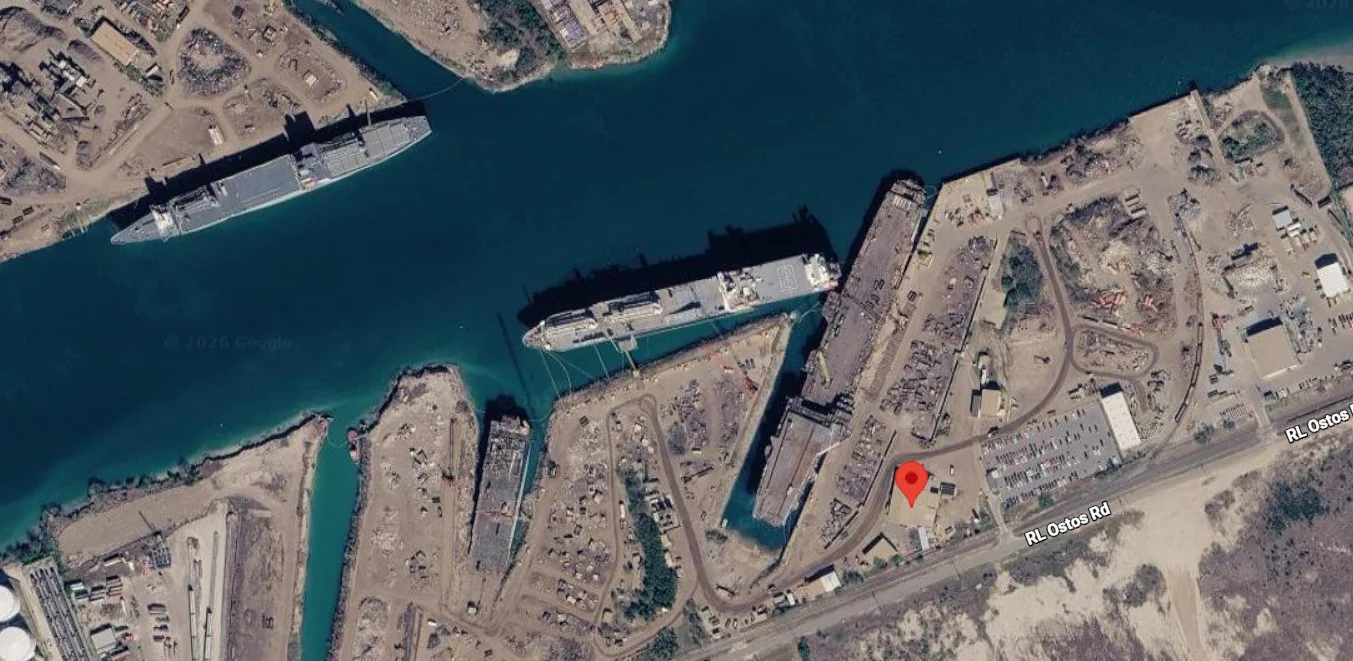
The answer is inside the ship. Every carrier holds thousands of tons of steel, copper, aluminum, machinery and other recyclable materials, and specialized recyclers in Brownsville have the skilled workers, waterfront yards and Gulf access to handle vessels more than 1,000 feet long. The value of those materials covers the towing and dismantling work, which is why the contract price can come down to a single cent.
Your next government auction find
Supercarriers are a once-in-a-lifetime find, and the government sells an incredible range of vessels and military equipment all year long. UX Search brings those sales together with one free search, from patrol boats and workboats on our boat auctions page to trucks, generators and field equipment on our military surplus page. Our Government Boat Auctions story shows how agencies sell everything from small craft to larger vessels, and UX Search Analytics shows what government vehicles and equipment actually sold for.
A legacy beyond pennies
These were no ordinary ships. They were among the most powerful warships ever to sail the world's oceans, magnificent examples of American engineering, naval aviation, and military strength. Their flight decks launched generations of aircraft, their towering hulls crossed oceans, and their presence represented the United States wherever they sailed.
For decades, Forrestal, Saratoga, Ranger, Kitty Hawk, and John F. Kennedy carried thousands of U.S. service members far from home. Within their steel hulls, sailors and Marines worked, trained, celebrated, endured long deployments, and formed friendships that would last a lifetime. Each ship had her own personality, her own traditions, and her own place in American naval history.
Their final journeys to Brownsville marked the end of their days at sea, but no price tag, not even a single penny, could ever measure their true worth. That value lives in the missions they completed, the history they made, and the generations of Americans who proudly served aboard them.
Five legendary American supercarriers. Five extraordinary histories. And a legacy that will never be measured in pennies.
© 2026 UX™ LLC. All Rights Reserved.