


Government Boat Auctions
From $57 canoes to $300,000 specialized vessels, government marine auctions reveal one of the broadest and most surprising categories in the surplus marketplace.
Auctions News Network Staff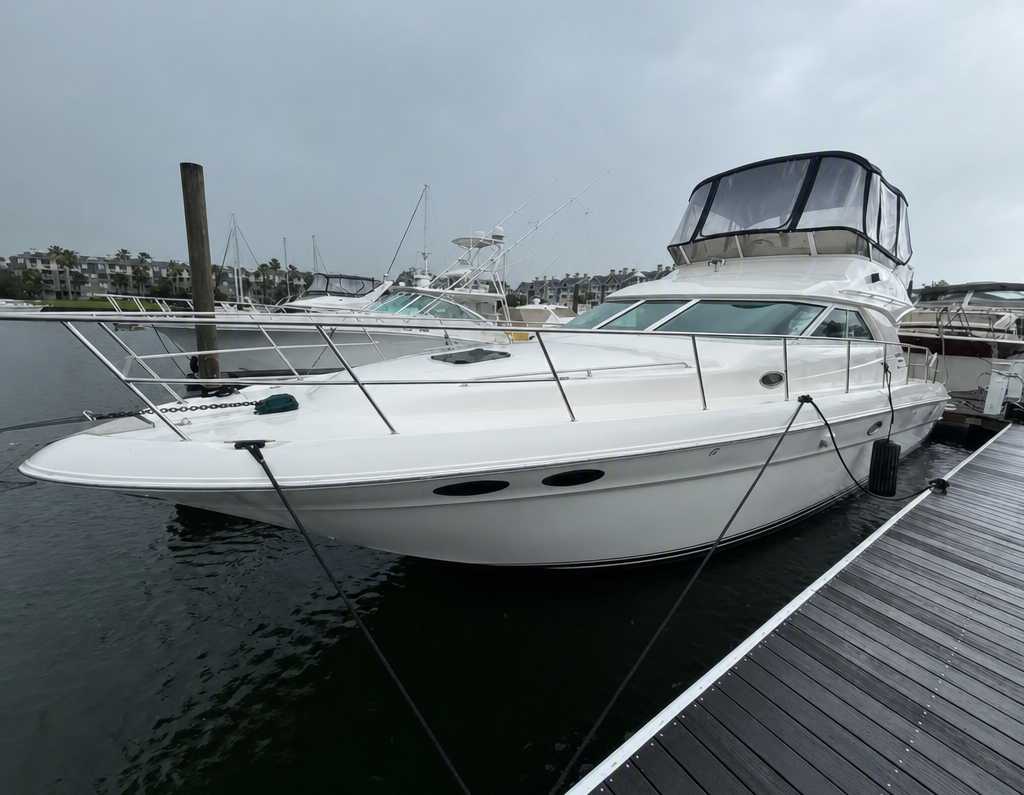
Government boat auctions form one of the most surprising corners of the surplus world, a place where the inventory swings from $57 canoes to $300,000 specialized vessels without breaking stride. Most people think of government surplus as a land-locked marketplace filled with police cars, pickup trucks, dump trucks and heavy equipment. Spend any real time inside the listings, however, and the shoreline appears quickly. Canoes, kayaks, jon boats, pontoons, bass boats, airboats, patrol vessels and commercial-grade marine equipment all cycle out of service and into public auctions, creating a market far broader than most buyers ever expect.
The Scale of the Government Marine Market
The scale becomes clear in the numbers. A recent snapshot of GovDeals showed more than one hundred active marine listings at once, with dozens of those located in the United States alone. That inventory sits inside a marketplace reporting more than $4 billion in total sales, millions of completed auctions, millions of qualified buyers and thousands of government sellers. Marine assets represent only one slice of that ecosystem, yet they illustrate how varied government property can be when agencies dispose of equipment. GovDeals itself highlights everything from fishing boats and pontoons to sailboats, jet skis, patrol vessels and marine trailers — and that list barely scratches the surface.
For buyers, finding that inventory is often the first step. UXSearch.app and UXAuctions.com allow a search to begin with the asset itself — a boat, motor, trailer or specific type of marine equipment — rather than requiring the buyer to already know which government agency or auction source may be selling it.
Canoes and Kayaks
At the entry level, the government marine market begins with the simplest possible watercraft. Cities, counties and parks departments routinely sell canoes and kayaks used for recreation programs or field operations. In Minnesota, a 14-foot Alumacraft canoe drew more than thirty bids and sold for $126. In Virginia, a 16-foot Old Town canoe reached nearly $300. A Grumman aluminum canoe in Maine sold for just over $57. Kayaks follow the same pattern, with examples from North Carolina and Camp Lejeune selling between $45 and $115. These are small, inexpensive assets, but they demonstrate how even basic equipment attracts real competition when it enters the public marketplace.

Canoes and kayaks from parks departments, universities and municipal recreation programs cycle into government auctions every year, drawing real competition even at modest price points.
The Aluminum Workhorses
From there, the inventory steps upward into jon boats — the aluminum workhorses of universities, wildlife agencies and municipal operations. These boats routinely generate dozens of bids, proving that even modest surplus vessels draw serious attention. A Lowe L1448 jon boat in North Carolina reached more than forty bids and sold for over $600. A 14-foot jon boat and trailer at Virginia Tech attracted similar interest and sold for $735. These aren’t obscure listings buried in forgotten corners of the site. They are active, competitive auctions for simple, functional boats that government agencies cycle out of service every year.
Motors, Trailers and Marine Equipment
Motors and marine components form their own sub-market. Outboard motors, trailers and related equipment often appear as standalone auctions, expanding the category beyond complete vessels. A Mercury four-stroke motor at Fort Eustis drew nearly four hundred visitors and sold for more than $760. Buyers searching government surplus quickly learn that a hull, motor and trailer may appear together — or as three separate auctions — depending on how the agency chooses to dispose of its equipment.
Recreational Boats Move Up the Price Scale
As values rise, the inventory becomes more familiar to recreational buyers. GovDeals has featured pontoons, Boston Whalers, cabin cruisers, fishing boats and late-model bass boats. One highlighted sale involved a 2022 Ranger Pro FS 622 that sold for more than $74,000, proving that government boat auctions are not limited to aging canoes or low-value aluminum boats. High-value recreational vessels enter the marketplace too, often in excellent condition and carrying substantial price tags.
Florida and the Marine-Surplus Economy
Geography plays a major role in the marine-surplus economy, and Florida stands out as a prime example. With extensive coastlines, waterways and large public marine operations, the state consistently generates significant marine inventory. A recent snapshot showed more than a dozen active listings, including a 2023 Shearwater 270 SS Carolina carrying a bid level of $151,000. Miami-Dade County alone accounted for multiple listings, ranging from commercial-style vessels to inflatable craft. While GovDeals does not publish state-by-state annual totals, the available data makes one point clear: coastal states and large local governments are major contributors to the marine-surplus pipeline.
Who Sells Government Boats?
The sellers behind these listings are as varied as the vessels themselves. Cities, counties, sheriff’s offices, universities, military installations and state agencies all dispose of marine equipment. A parks department might sell canoes or kayaks. A university might cycle out a jon boat. A sheriff’s office might retire a patrol or recreational vessel. Military installations can dispose of kayaks, boats, motors and specialized equipment. Coastal governments may list commercial-grade vessels worth hundreds of thousands of dollars. This decentralized ownership is one reason the government boat market spans such an enormous range of values, sizes and purposes.
That decentralized market is also where broader search becomes valuable. Instead of checking individual cities, counties, universities and auction sites one at a time, the UX ecosystem is designed to help buyers search across government auction sources and then research what they find.
Into Six Figures
At the upper end of the marketplace, the numbers become striking. A recent search showed a 38-foot Armstrong Marine aluminum dive-support vessel listed at $300,000 in Washington. The Shearwater in Florida sat at $151,000. A Diamondback airboat in Illinois reached more than $42,000. These listings demonstrate a price range stretching from well under $100 to well into six figures — all within the same category of government surplus.
From $57 to $300,000
Placed side by side, the examples tell the story clearly. A $57 canoe in Maine. A $114 kayak in North Carolina. A $126 canoe in Minnesota. A $292 canoe in Virginia. A $618 jon boat in North Carolina. A $735 jon boat and trailer in Virginia. A $760 outboard motor in Virginia. A $74,567 bass boat in Ohio. A $151,000 Shearwater in Florida. A $300,000 dive-support vessel in Washington. The spread is enormous, and it reflects the sheer diversity of agencies, operations and equipment that feed the marine-surplus market.
Thousands of Government Sellers
The larger truth is that thousands of government sellers create this inventory. Agencies replace cars, trucks, heavy equipment — and boats. As those assets cycle out of service, they enter public auctions where buyers compete for everything from basic canoes to specialized commercial vessels. The process is consistent across categories, but the marine listings reveal just how far government surplus extends beyond the familiar.
Government Auctions Don’t Stop at the Shoreline
Government auctions don’t stop at the shoreline. They reach into lakes, rivers, bays and coastal operations, offering buyers a chance to acquire marine equipment at every level of value and complexity. From a $57 aluminum canoe to a $300,000 dive-support vessel, the government boat market is a reminder that surplus property covers far more than what most people expect — and sometimes, it floats.
Finding those opportunities is what UXAuctions.com is built around: search the marketplace, discover the auction and research the asset before the bidding begins.
Auctions News Network Magazine