
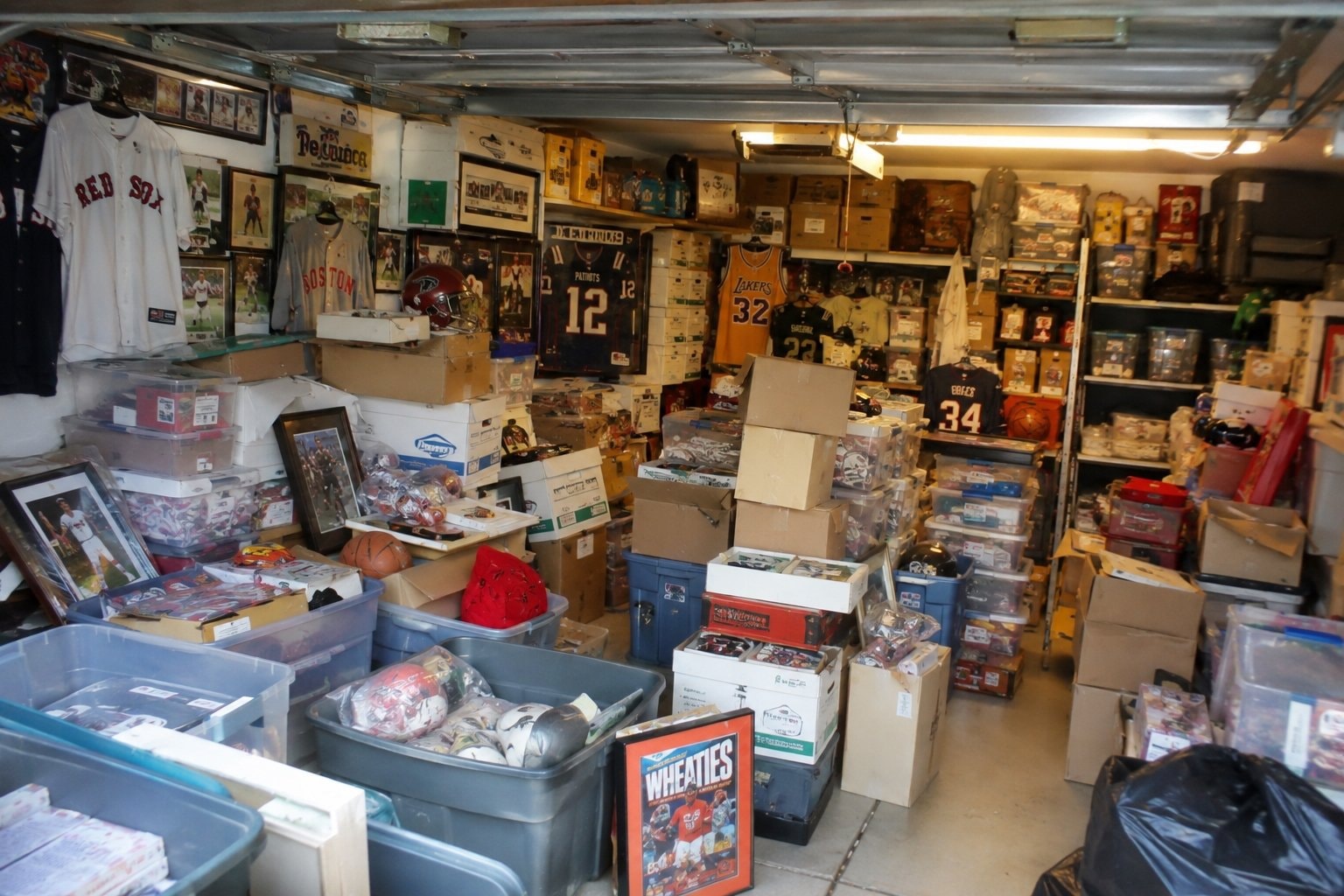
From eBay Collector to Government Auctions Hunter
Long before online marketplaces became crowded with counterfeit memorabilia and questionable "authenticated" collectibles, a structural engineer named Donald was already buying and collecting online. He began purchasing sports memorabilia on eBay in the early 2000s, back when online auctions still felt new and full of possibility.
For collectors, the internet changed everything. Items that once required traveling to card shows, conventions, or specialty dealers suddenly became available nationwide. Rare jerseys, autographed items, trading cards, signed baseballs, and vintage memorabilia were now appearing online every day. Like many collectors during those early years, Donald was hooked.
But over time, the landscape shifted.
As online collectibles exploded in popularity, so did counterfeit merchandise. Donald learned quickly that experience was the only real protection. He developed an eye for spotting fake signatures, altered authentication paperwork, reproduction jerseys, mass‑produced "limited edition" items, and suspicious provenance stories. What used to be simple now required expertise.
The Hidden Market Most Collectors Never Search
What makes Donald's story unusual is where he eventually started finding some of his best collections: government surplus auctions.
Most people associate government auctions with retired police vehicles, utility trucks, heavy equipment, confiscated property, or office furniture. But Donald discovered something most collectors overlook entirely.
Large sports memorabilia collections occasionally appear on government surplus platforms — sometimes through seized assets, abandoned property, estate‑related holdings, evidence releases, school systems, or municipal surplus liquidations. Over the years, he quietly built an impressive collection through platforms like GovDeals, winning lots that most traditional collectors never even knew existed.
Donald isn't a reseller. He simply enjoys the hunt. And some of the finds hidden inside these large lots have been genuinely exciting.
The Collector's Problem: Storage
After years of winning collections, Donald ran into a new problem: space. According to him, his wife recently gave him two options — stop buying memorabilia or buy a bigger house with more garages. Neither option appears to be happening.
When asked why he would reveal one of his best auction secrets publicly, he laughed. Most collectors guard these discoveries closely. But he admits he already has more memorabilia than he can realistically sort through. Some collectors flip inventory. Donald keeps it. And the collection has started taking over every available corner of storage.
Why He Uses UXAuction.com
Donald says one of the reasons he enjoys UXAuction.com is because it allows him to quickly search multiple government auction platforms through the Smart Search system without manually checking each site one at a time. For a collector who watches for unusual lots, that efficiency matters.
A Real Example of What He Watches
One recent example appeared on GovDeals: a large sports‑memorabilia‑related auction lot that most collectors would never discover unless they routinely searched government surplus platforms. These listings don't appear on eBay, Facebook Marketplace, or collectible websites — and that lack of competition is exactly why experienced collectors quietly monitor them.
Final Thoughts
Sometimes the best government auction deals aren't vehicles, equipment, or electronics.
Sometimes they're hidden collections sitting quietly inside categories most buyers ignore.
And sometimes the biggest challenge isn't winning the auction — it's figuring out where to store everything afterward.
Continue Your Auction Research
Ready to search online auctions nationwide?
Visit our: