
Service Truck Inspection Guide
What to Check Before You Bid on a Government Service Truck
Semi Truck at government auction, closing soonest
All semi truck auctions →Live now on UX Search, from the agencies that sell their surplus. Updated every hour.
 discarded tires- farm equipment, semi-truck size and downDublin, VA
closes in 15 hours · GovDeals
 Semi-Truck Grille Guard XG-150BG3 W/ Mounting Brackets. Fits 2026 and up Volvo Trucks$600 · Lancaster, TX
closes in 4 days · GovDeals
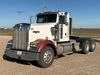 2007 Kenworth W900 semi truck$8,300 · Scott City, KS
closes in 5 days · Purple Wave
 2014 Mack CXU612 semi truck$4,200 · Lookeba, OK
closes in 5 days · Purple Wave
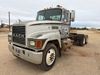 1990 Mack CH semi truck$6,800 · Hamlin, TX
closes in 5 days · Purple Wave
 2004 International 7600 semi truck$3,000 · Tishomingo, OK
Sold: $8,678 mid
closes in 5 days · Purple Wave
Service trucks are among the most reliable and practical assets in the surplus marketplace. Agencies maintain strict service schedules, document repairs, and retire vehicles based on policy rather than mechanical failure. Even with those advantages, every buyer should perform a structured inspection before bidding. This guide breaks down the process into clear sections and provides a complete checklist to help you evaluate condition, value, and long term reliability.
Exterior & Structural Condition
A thorough inspection begins with the truck's exterior. Walk the vehicle and evaluate the body, frame, and service equipment for signs of wear. Service trucks often carry tools, cargo, and mounted equipment that place additional stress on the chassis. Surface rust is common, but deep corrosion, scaling, or structural fatigue can indicate long term exposure or neglected maintenance. Pay close attention to frame rails, crossmembers, mounting points, and the underside of the service body.
Engine & Powertrain Evaluation
Most used service trucks use durable diesel platforms, but they still require consistent upkeep. Inspect the engine bay for leaks, residue, cracked hoses, worn belts, and coolant staining. A cold start is one of the most revealing tests — listen for hard cranking, excessive smoke, rough idle, or delayed throttle response. These symptoms can point to injector wear, glow plug issues, or compression loss. Transmission performance should be smooth and predictable, with no slipping, hesitation, or grinding. Inspect the driveshaft, U joints, differential housing, and axle seals for leaks or vibration.
Service Body & Utility Equipment
The service body is often the most valuable part of a government truck. Open every compartment and check for rust, water intrusion, damaged hinges, worn latches, and compromised seals. Utility bodies, crane mounts, ladder racks, and tool systems should be inspected for structural integrity. If the truck includes a compressor, generator, welder, hydraulic system, or PTO driven equipment, verify whether the components are present, intact, and operational. Missing or non functional equipment can significantly affect value.
Electrical Systems & Wiring
Used trucks frequently carry additional lighting, radios, power inverters, and auxiliary wiring. Inspect the harnesses for clean routing rather than improvised or spliced wiring. Test all exterior lights, interior controls, power accessories, and dashboard indicators. Electrical issues can become expensive projects, especially if the wiring has been modified over years of service.
Interior Condition & Controls
Interior condition provides insight into how the truck was used. Check the seats, flooring, dashboard, and headliner for wear, stains, or damage. Government vehicles often have durable interiors, but heavy-duty use can still leave signs of fatigue. Inspect the instrument cluster for warning lights, verify odometer accuracy, and test HVAC performance. A clean, functional interior usually reflects consistent maintenance.
Documentation & Service Records
Government agencies often provide service records, maintenance logs, or equipment sheets. These documents can confirm mileage, repair history, and scheduled service intervals. Trucks with complete records typically command higher confidence and stronger resale value.
Service Truck Inspection Checklist
Exterior & Frame
Body panels free of major dents, corrosion, or structural damage
Frame rails and crossmembers inspected for rust or fatigue
Undercarriage checked for scaling, leaks, or impact damage
Tires inspected for tread depth, uneven wear, or dry rot
Engine & Powertrain
Cold start tested for smoke, rough idle, or hard cranking
No visible oil, coolant, or fuel leaks
Belts, hoses, and filters in acceptable condition
Transmission shifts smoothly without slipping
Driveshaft, U joints, and differential free of leaks or vibration
Service Body & Equipment
All compartments open and close properly
Hinges, latches, and seals intact
No water intrusion or rust inside storage areas
Utility equipment present and operational (compressor, generator, welder, crane, PTO, etc.)
Ladder racks, mounts, and brackets structurally sound
Electrical Systems
All exterior lights functional
Interior controls and switches operational
No exposed or improvised wiring
Power inverter or auxiliary systems tested
Interior
Seats, flooring, and dashboard in acceptable condition
HVAC functioning properly
No warning lights on the instrument cluster
Odometer reading consistent with documentation
Documentation
Service records available and legible
Maintenance logs match vehicle condition
Equipment sheets included if applicable
Final Assessment
A well inspected government service truck can be an exceptional purchase — durable, reliable, and built for demanding work environments. By evaluating the truck's structure, powertrain, service body, electrical systems, interior condition, and documentation, you can make an informed decision and bid with confidence.
Government bids for trucking & freight, due soonest
All 71 →Open federal bids from SAM.gov on UX Contract, free to search. 28 due this week.