
The Tire Auction Lesson
Years ago, two brothers used to spend their weekends hanging around local government auctions just to see what kinds of deals people were getting. They were young, didn't know much about auctions yet, and most of the regular buyers looked like they had the whole process figured out.
One moment stood out: a man bought an old ambulance for about $2,200. To the brothers, that sounded unbelievably cheap — the engine alone had to be worth more than that.
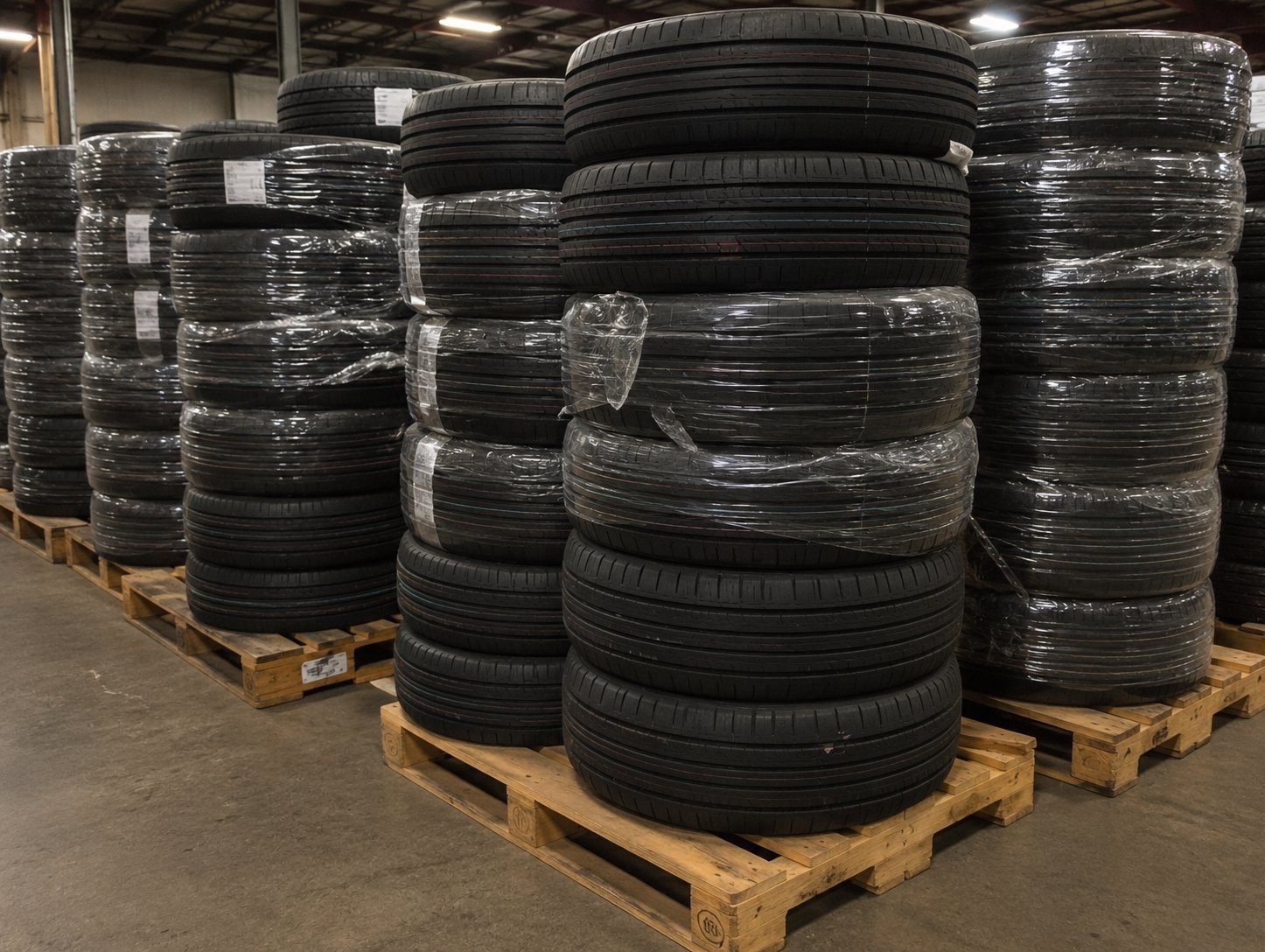
Then the auctioneer moved to several pallets of new‑looking tires stacked outside the state warehouse. He announced the state was cleaning up and clearing out the tires. The brothers looked at each other, thinking they had finally found something they could afford.
They bid $50.
Nobody else bid.
That should have been the first warning.
They thought they had just bought a few pallets sitting outside the building. Then the crowd started laughing.
When they asked what was going on, the auctioneer told them:
"You boys just bought all 700‑plus tires inside the warehouse too."
By the time they understood what that meant, the auction was over. They now owned roughly 700 tires.
They rented a U‑Haul truck and trailer and spent the next week hauling load after load back to their granddaddy's farm, convinced they were about to become tire dealers overnight. They stood around the farm talking about how much money they were going to make.
That excitement didn't last long.
Granddaddy walked outside, saw mountains of tires covering the property, and told them:
"You knuckleheads made a huge mistake."
He explained that tires go bad when they sit too long, even if they're unused. That's exactly why the state got rid of them. After a few phone calls, he confirmed the truth: the tires were old stock that had been sitting for years.
Now the brothers were standing in front of hundreds of tires nobody wanted.
The $50 winning bid wasn't the problem anymore — the real cost was the fuel, the trailer rentals, the time, and the work it took to move them. Meanwhile, the farm was starting to look like a tire dump, and their dad warned they could get in trouble for having that many tires piled up.
Eventually, they found a scrap yard willing to take the tires for free if they delivered them. The yard shredded and recycled them into playground material and similar products.
Looking back, the whole thing is funny. At the time, it felt like a disaster — two young brothers standing in front of a mountain of tires they couldn't sell.
But the lesson stuck:
Always research before you bid at a government surplus auction.
If you don't know exactly what you're buying, the "deal" can become the problem.
Continue Your Auction Research
Ready to search online auctions nationwide?
Visit our: