
Understanding the Different Types of Buyers at Government Vehicle Auctions
Know Who You're Bidding Against — and Why It Matters
Sweeper at government auction, closing soonest
All sweeper auctions →Live now on UX Search, from the agencies that sell their surplus. Updated every hour.
 2020 Freightliner M2 Sweeper *Low Miles*$20,000 · Port Orchard, WA
Sold: $15,750 mid
closes in 6 days · GovDeals
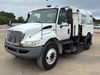 2012 International DuraStar 4300 street sweeper truck$6,100 · Paducah, KY
Sold: $5,550 mid
closes in 21 hours · Purple Wave
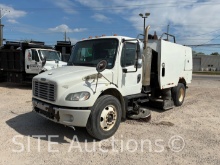 2013 Freightliner M2 S/A Street Sweeper Truck$7,000 ·
Sold: $13,500 mid
closes in 2 days · Proxibid
 2020 Global M4-Series 4-Wheel Commercial Street Sweeper Truck - Diesel$2,000 · Berryville, VA
closes in 2 days · GovDeals
 2015 Freightliner M2 112 Street Sweeper Truck$5,500 · Ontario, CA
Sold: $12,700 mid
closes in 3 days · GovDeals
 2002 Elgin Pelican street sweeper truck$1,550 · Scotland, SD
closes in 6 days · Purple Wave
Government vehicle auctions are complex marketplaces—not just places to find inexpensive vehicles. They are ecosystems made up of buyers with different goals, experience levels, and valuation methods.
Understanding who you're bidding against—and why they are bidding—is one of the most overlooked advantages a buyer can have. Successful bidders don't just study the vehicles; they study the people competing for them.
Licensed Dealers
Licensed dealers are among the most disciplined participants in government auctions. They calculate maximum bids before the auction starts and focus on profit margins, repair costs, transportation expenses, and market demand.
Dealers look for vehicles that can be quickly resold through retail or wholesale channels. The best dealers treat every bid as a business decision, not a gamble.
Scrap and Parts Buyers
Scrap and salvage buyers often establish the floor price for many auction vehicles.
They calculate value based on engines, transmissions, catalytic converters, aluminum content, body panels, and other reusable parts. Even a vehicle with major mechanical problems may still hold significant value.
Understanding this buyer group helps explain why some vehicles never sell below certain price levels.
First-Time Buyers
First-time buyers are often attracted by low opening bids and unique vehicles.
Many focus on appearance, emergency equipment, or auction excitement while overlooking maintenance records, idle hours, transportation costs, and long-term ownership expenses.
Auction adrenaline can lead to overbidding. Experienced buyers emphasize patience, inspection, and research.
Contractors and Fleet Buyers
Contractors buy for utility, not appearance.
They prioritize reliability, payload capacity, towing ability, and ease of maintenance. Utility trucks, dump trucks, supervisor pickups, and municipal fleet vehicles are common targets.
These buyers understand that cosmetic wear rarely affects a vehicle's ability to perform its job.
Export Buyers
Export buyers evaluate vehicles differently than domestic buyers.
They focus on diesel engines, drivetrain configurations, emissions requirements, international demand, and parts availability.
Vehicles overlooked by domestic buyers may bring strong interest from export markets.
Police Vehicle Enthusiasts
Police vehicles attract enthusiasts who value pursuit-rated drivetrains, upgraded cooling systems, heavy-duty suspension, and unique factory options.
These buyers often seek low idle hours, minimal equipment holes, original paint, and desirable engine combinations.
To enthusiasts, two seemingly identical vehicles may have very different values.
Institutional and Government Buyers
Some auctions include municipalities, agencies, and government organizations purchasing replacement vehicles.
These buyers focus on reliability, fleet consistency, and operational needs. Their participation can significantly affect pricing on specialized vehicles and equipment.
Understanding the Psychology Behind the Bidding
Every buyer operates from a different motivation.
- Dealers seek profit.
- Recyclers seek parts value.
- Contractors need work vehicles.
- Enthusiasts seek specific configurations.
- First-time buyers often want to win.
Recognizing these motivations helps explain why some auctions stall while others escalate rapidly.
When bidding slows down near a certain price point, it often means professional buyers have reached their valuation limits. Buyers who continue beyond those limits risk paying more than the vehicle's true market value.
Final Thoughts
Government vehicle auctions are not just about finding bargains—they are about understanding the marketplace itself.
Each buyer type brings a different strategy, perspective, and level of discipline. The most successful participants understand who they're bidding against, what those buyers value, and when to stop.
Sometimes the most valuable information at an auction isn't the vehicle, it's understanding the people competing for it.
Continue Your Auction Research
Ready to search online auctions nationwide?
Visit our:
Government bids for trash & recycling, due soonest
All 18 →Open federal bids from SAM.gov on UX Contract, free to search. 2 due this week.