







Police & Fleet
The Golden Eagle: The Cursed 1964 Dodge Police Car That Refused to Die
Three police officers. Three families destroyed. A black-and-gold Dodge patrol car with a terrifying history. And a trail of death that seemed to follow it long after its final shift.
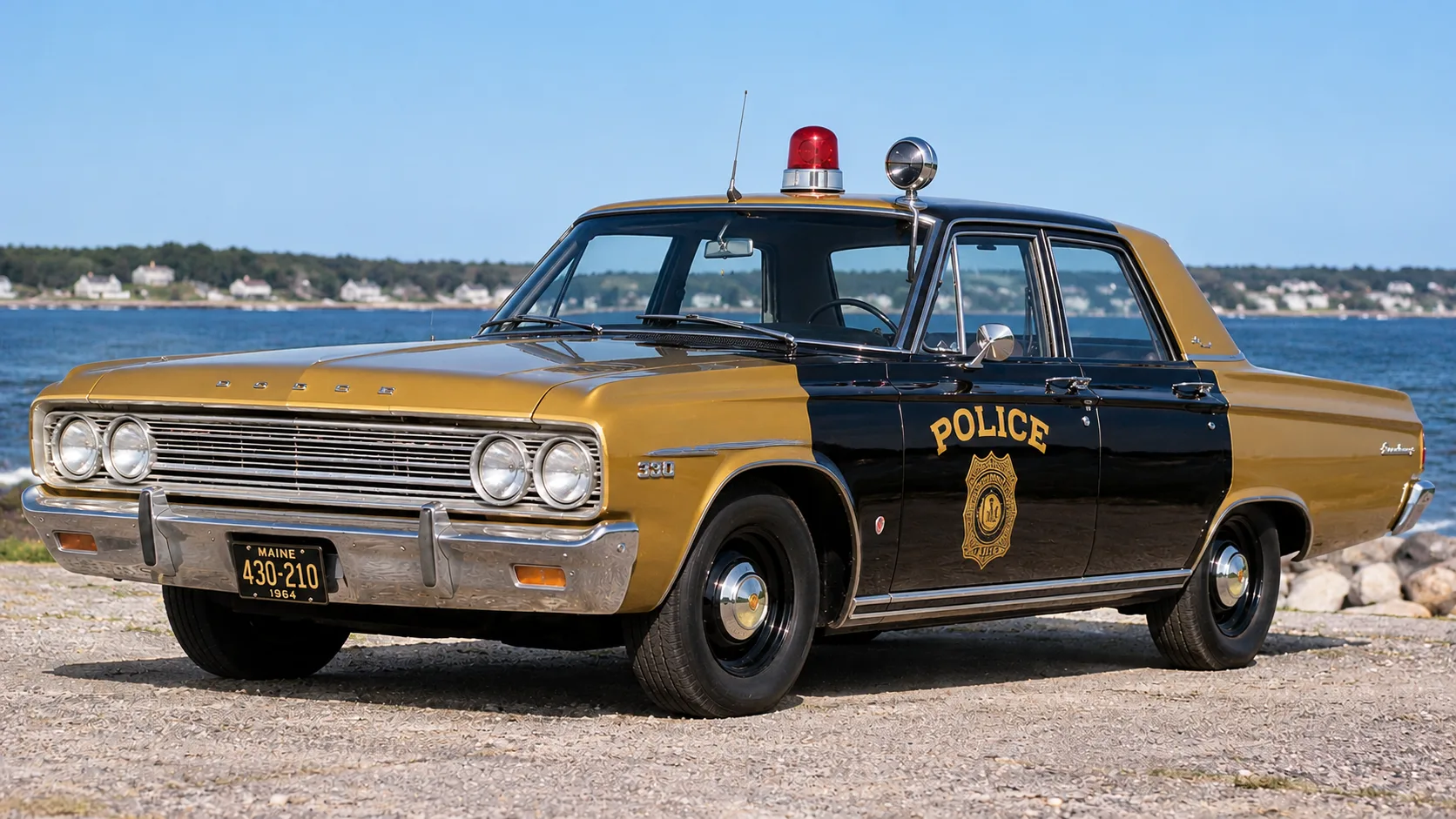
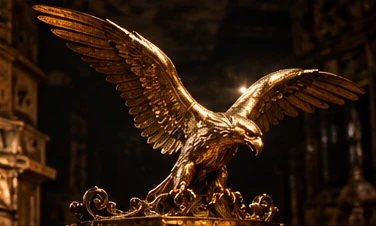
The Dodge arrived in Old Orchard Beach in the spring of 1964, rolling off the delivery truck with the smell of fresh paint still clinging to its steel. It was a Dodge 330, long and wide and built like a fist, with a big V8 that idled low and heavy beneath the hood. The department had it painted black and gold, the colors gleaming so brightly under the Maine sun that one of the men joked it looked less like a patrol car than a bird of prey. The name stuck. By the end of the first week, every officer on the force was calling it the Golden Eagle, and the children on Old Orchard Street would stop on their bicycles to watch it glide past toward the pier.
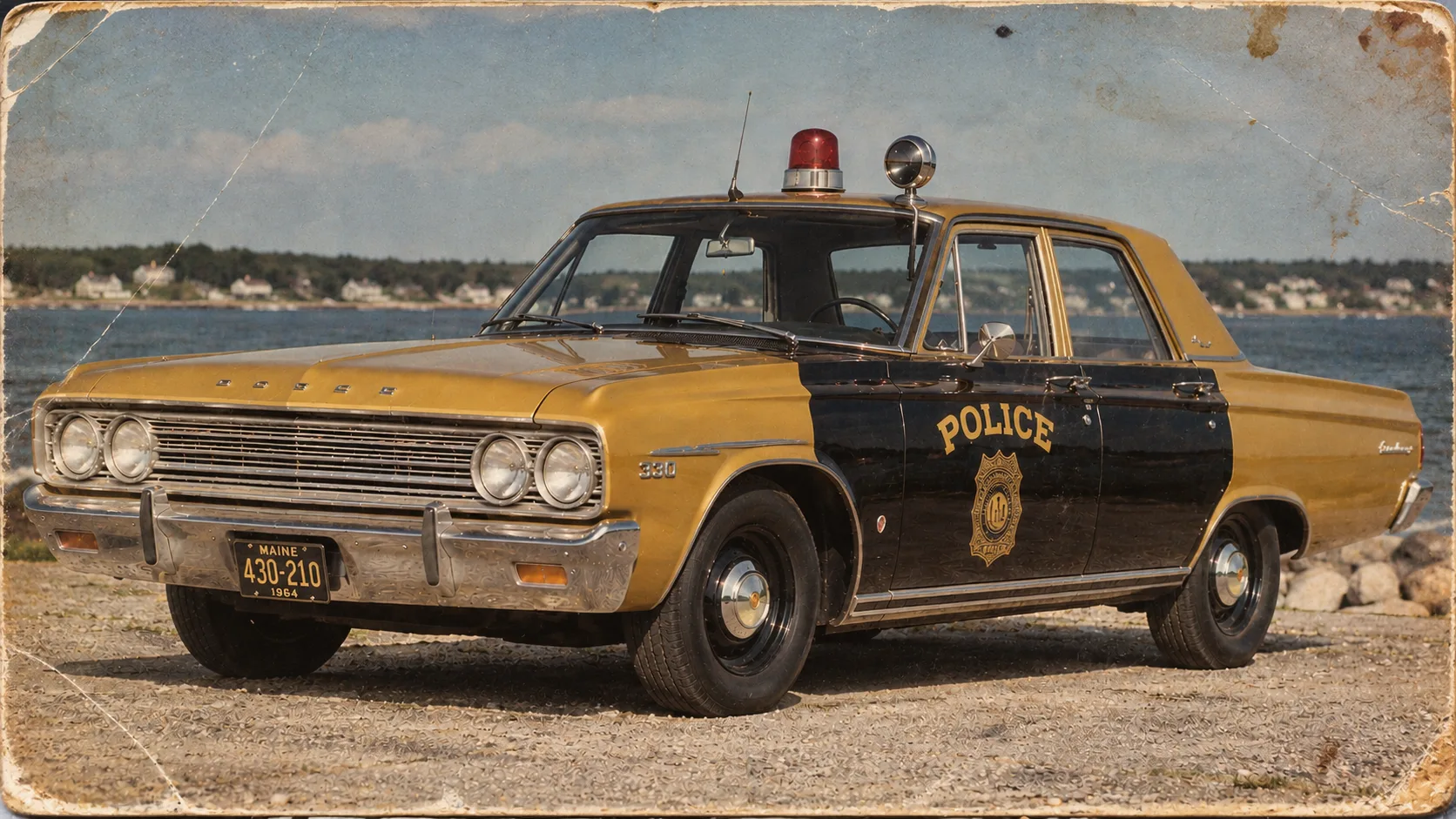
That first summer was ordinary in the way small-town summers always are. The Eagle cruised past saltwater taffy shops and roller coaster lights, broke up bonfires on the beach, chased the occasional drunk tourist down Saco Avenue, and idled outside the station through long, quiet nights when the only sound was the ocean folding over itself in the dark. The officer who drove it most often was a steady, soft-spoken man, a husband and father who liked the car the way some men like a good dog. He kept it clean. He talked to it sometimes on slow nights, the other officers teased, the way a farmer talks to a horse. Those who worked with him would later say there was nothing in him, nothing at all, that warned of what was coming.
Somewhere along the way, though, the men began to notice a change in him. He grew quiet in a different way, a heavy, inward way. He stayed in the car long after his shifts ended, sitting behind the wheel in the station lot with the engine ticking as it cooled, staring through the windshield at nothing. One night he finished his patrol, parked the Golden Eagle in his driveway, and went inside to the house where his wife and children lay sleeping. When the sun rose over Old Orchard Beach, the house was silent. His family was dead, and so was he. The neighbors who found them would never describe what they saw, and the town walked through the funeral in a daze, asking the same question over and over and never once receiving an answer.
The Dodge sat in the station lot for a week while the department decided what to do. In the end, practicality won, as it always does. A police car is a tool, and a small town cannot afford to waste a nearly new cruiser over a tragedy that had nothing to do with an automobile. The interior was scrubbed, the floor mats replaced, and the keys passed to another officer, a younger man with a wife he adored and a baby not yet a year old. He laughed off the whispers. It’s a car, he told the others, and slid into the seat as though he owned it.
For a few months, it seemed he was right. The Eagle went back to patrolling, its headlights sweeping across the dunes, its tires humming along the shore road. But the men who worked beside him began to see the same shadows settling over him that they had seen before. He stopped laughing. He lingered in the car after his shifts, both hands resting on the wheel, his eyes fixed somewhere past the glass. When someone asked if he was all right, he looked at them as though he had forgotten who they were. Then one autumn night he drove home, parked the Dodge in front of his little house, and went inside. Before morning, his wife and child were dead, and he had taken his own life beside them.
Now the town could not stop talking. In the diners along the beach, men leaned over their coffee and spoke in low voices about the black-and-gold car. In church parking lots and grocery aisles, women hushed each other when the cruiser rolled past. Two officers, two families, the same car, the same terrible ending. Most people still called it coincidence out loud, but they called it coincidence the way people whistle walking past a graveyard. Inside the station, the officers drew straws to see who would drive it, and the man who lost would sit in the lot a long time before turning the key.
The third officer did not want the car. He told his sergeant so. But schedules were schedules, and the Golden Eagle was the cruiser that needed a driver. He took it out grimly, kept the radio on loud, and rolled the windows down even on cold nights as if he wanted the sea air to blow something out of the cabin. It did not help. Within months he had gone the way of the others, and a third family was carried out of a third quiet house in the dead of night. Three officers. Three households wiped away. And through it all, the Dodge sat waiting in the lot, its paint still bright, its chrome still gleaming, looking for all the world like nothing more than an ordinary police car.
No one would drive it after that. Not a single man on the force would take the keys, and the chief did not ask them to. The Golden Eagle was parked at the far end of the lot and covered with a canvas tarp, and the officers walked wide around it when they came and went. Finally the town made the decision it should have made years before. The car would be sold off, and the Golden Eagle was placed on the auction block with the rest of the department’s surplus.
They say the bidding was strangely quiet that morning. Everyone in the crowd knew what the black-and-gold Dodge was, and most of them kept their hands firmly in their pockets. The auctioneer started the bidding low and still had to wait. At last a stranger, a man no one recognized, raised his hand and took the car for a fraction of what it was worth. He paid in cash, signed the papers, and drove the Golden Eagle out of the lot while the officers who had served beside it stood watching in silence. Not one of them was sorry to see it go. Several of them, years later, would admit they felt the car had looked back at them as it turned onto the road.
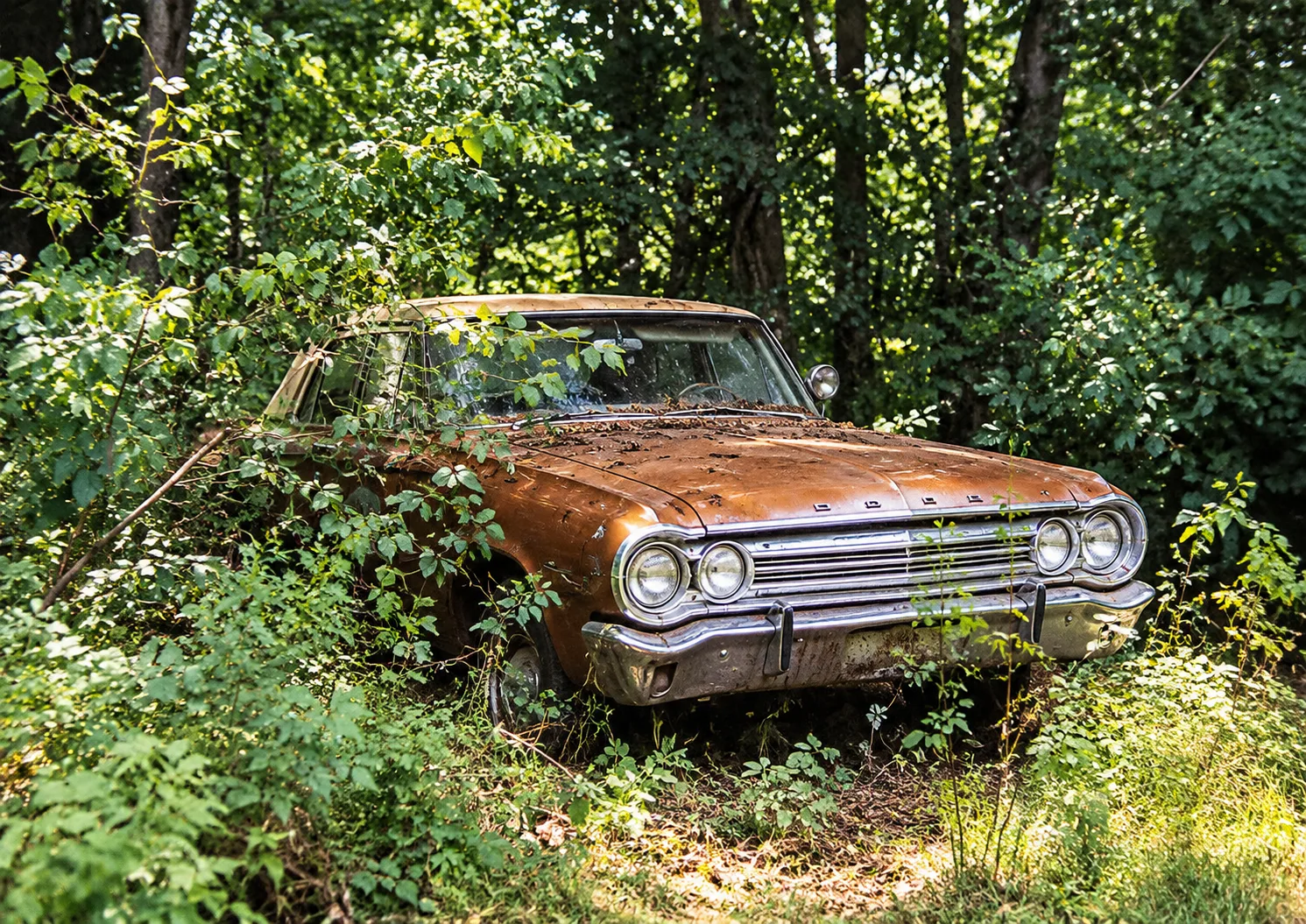
The Dodge changed hands more than once after that. It never seemed to stay anywhere for long. Owners bought it cheaply and sold it quickly, and none of them ever said much about why. Eventually it came to rest in a dusty lot outside of town, its police equipment stripped away, its gold trim beginning to dull. That was where it was when a local man came to see it with a group of friends. He was loud and he was proud of being loud, and he had heard every story about the Golden Eagle and believed not one of them. He walked around the car laughing, calling it a hunk of junk, calling the people of Old Orchard Beach a bunch of frightened old women. Then he went to his truck, came back with a tire iron, and went to work.
He beat the Golden Eagle in front of everyone. He smashed the iron into the fenders until the steel folded, cracked the chrome, dented the hood, and swung at the doors until his arms ached and his shirt was soaked with sweat. His friends cheered him on, and when he was finished he spat on the windshield, tossed the iron in the bed of his pickup, and drove away grinning. The battered Dodge sat in the dust with its wounds open to the sky.
Three weeks later, on a straight stretch of highway on a clear afternoon, his pickup drifted across the center line and met an eighteen-wheeler head on. There was no reason for it. There were no skid marks, no bad weather, no other cars around. The truck was crushed nearly flat, and the man inside never had a chance. When the news came back to Old Orchard Beach, his friends went pale. They remembered the tire iron. They remembered the laughter. And they remembered that the Golden Eagle, battered and broken, had never moved an inch from where he left it.
The story spread, and the car only grew more famous. It sat for years as its paint faded and the rust crept up from the rocker panels like a slow infection. It became a dare, a place for local kids to prove themselves on summer nights. One evening a carload of teenage boys came out to see it, full of beer and nerve and stories they had heard from older brothers. They circled the old Dodge with flashlights, poking fun, daring each other closer. Then one of them jumped onto the hood, and the rest followed. They stomped on the roof, kicked in the doors, and smashed the remaining windows with rocks. Someone had brought a can of paint, and they splashed it across the faded black body in wild, dripping streaks. They howled at the moon and howled at the car, and when they finally piled back into their own car and drove away, they were still laughing.
They did not laugh for long. Before the end of the year, one of the boys was killed when his car left the road and wrapped itself around a tree on a night with no rain and no ice and no explanation. Not long after, a second boy died in another crash so violent that the town could not find words for it. The surviving boys stopped speaking to each other. One left Maine altogether and never came back. Another, years later, told a reporter he still dreamed about that night, and that in his dreams the Golden Eagle’s headlights came on by themselves.
By then the people of Old Orchard Beach had had enough. One night the old Dodge simply disappeared from where it had been resting. No one ever admitted to taking it, but everyone understood why it had been done. Whoever stole the Golden Eagle did not hide it. They took it apart. The engine was ripped out and hauled away to one junkyard. The doors went to another. The fenders, the seats, the steering wheel, the bumpers, all of it was scattered across distant scrapyards, buried among thousands of other dead cars where no one would ever think to look. It was not a theft. It was an execution. And for the first time in years, the town slept soundly.
But the story was not over.
Years passed, and then the rumors began. Someone had found the engine. Someone else had found a door with traces of black and gold paint still clinging to it. A steering wheel turned up in a yard two states away, and a fender surfaced in a pile of scrap that should have gone to the crusher long ago. One by one, the scattered pieces of the Golden Eagle were being gathered, hauled home, and fitted back together. No one could say for certain who was doing it, or why. Some said it was a collector. Some said it was a fool. And some, the old men who still remembered the three families and the highway and the boys, said it was the car itself, calling its body back together the way a wound closes over a splinter.
Somewhere tonight, in a shuttered garage at the end of a gravel road, the Golden Eagle sits whole again. Its seams are scarred where the pieces have been joined, its paint is patched and mismatched, but the shape is unmistakable, broad and long and black as the space between the stars, with a thin line of gold catching whatever light finds it. The tank is full. The battery is charged. And the key is waiting in the ignition, for whoever is next.
Disclaimer
This is a work of Halloween fiction loosely inspired by the folklore of the Golden Eagle. The events are dramatized, unverified, and not intended to depict any real person or police department. Images are artistic recreations.
Get First Contact from UX Auctions · Free. We'll email you first when the sale opens.
Real government auctions are full of retired police cars, from classic cruisers to today's interceptors. A search on UX Search checks GovDeals, Public Surplus, Municibid and the other government auction platforms at once, UX Search Analytics shows what retired police vehicles actually sold for, and the free workspace at UX Console lets you save your searches and follow every bid. Your next great government auction find is waiting at uxsearch.app.
Photo & Resource Information Credits: Images are artistic recreations
© 2026 UX™ LLC. All Rights Reserved.