







Real Estate
The Island Everyone Wanted... and Almost Nobody Dared to Visit
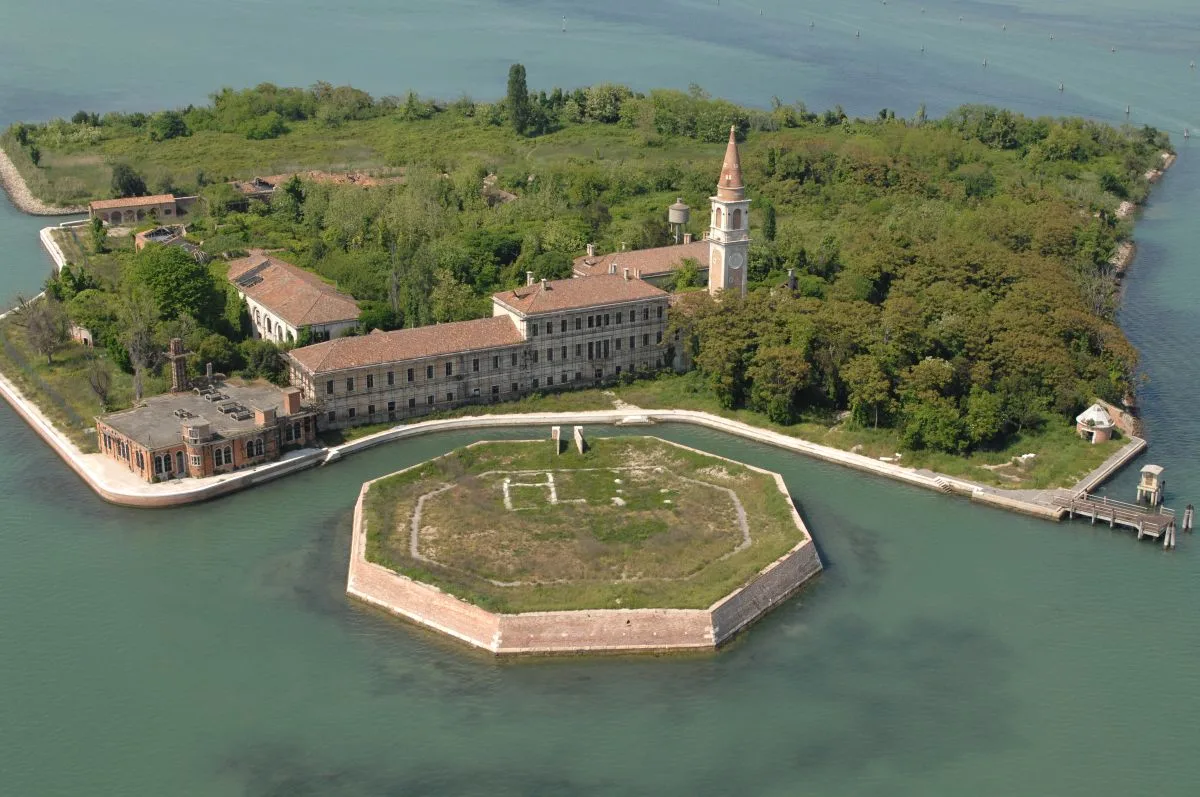
Across the Venetian Lagoon, between Venice and the Lido, a small island rises from the water behind centuries of stories, rumors, and speculation. Known as Poveglia, the island has become one of those rare places where documented history and enduring legend seem to occupy the same ground. Weathered brick buildings stand among overgrown pathways, a lonely bell tower watches over empty shores, and the island's reputation has expanded far beyond Italy, turning a forgotten government property into one of the world's most intriguing auction stories.
When the Italian government placed a 99-year lease on Poveglia up for public auction in 2014, interest spread far beyond Venice. Historians recognized its significance, preservationists saw an opportunity, and countless followers of paranormal folklore were captivated by the possibility that one of the world's most talked-about abandoned islands might finally begin a new chapter. What followed became far more remarkable than the auction itself, transforming a routine government disposition into a battle over history, public access, and the future of a place surrounded by mystery.
At UX Auctions, where unusual government properties regularly capture our attention, few stories demonstrate the power of a public auction better than Poveglia. While the island's ghostly reputation attracted headlines around the world, the real story centered on thousands of ordinary citizens who refused to watch their city's most legendary island pass quietly into someone else's hands.
Sixteen Centuries in the Venetian Lagoon
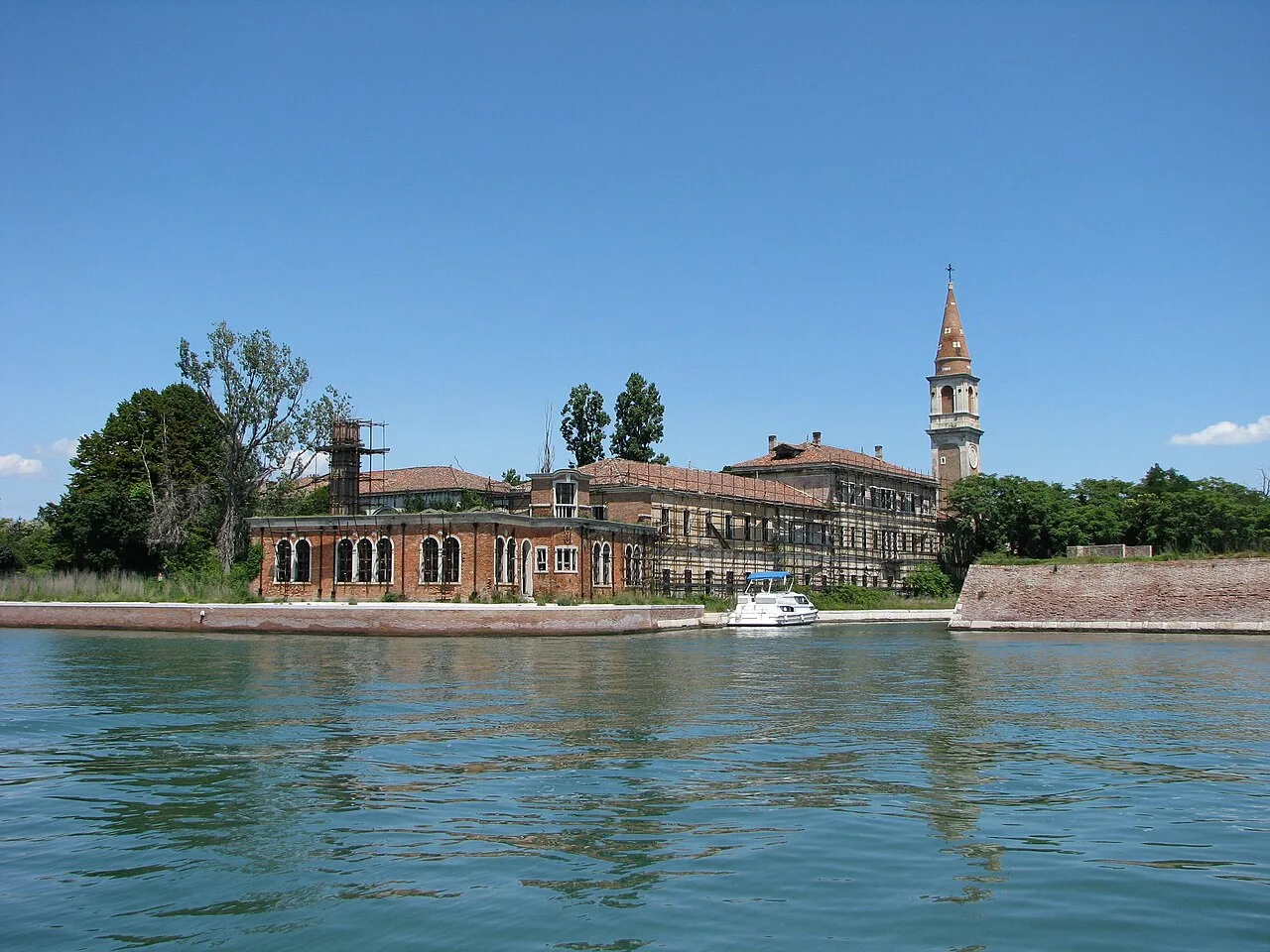
Poveglia's history reaches back nearly sixteen hundred years. Historical records place settlement on the island as early as 421, when communities throughout the Venetian Lagoon began to emerge during the decline of the Western Roman Empire. Generations of families lived there, supporting themselves through fishing, agriculture, and commerce while Venice evolved into one of the great powers of the Mediterranean.
The island remained inhabited for centuries until the War of Chioggia altered life throughout the region during the late fourteenth century. Residents eventually departed, and the island entered a new phase of its existence, one defined by its strategic location between Venice and the outside world.
During the eighteenth century, Venetian authorities assigned Poveglia an important role within the republic's public health system. Ships arriving from distant ports paused there for inspection and quarantine before entering the city, making the island an important safeguard for one of Europe's busiest maritime centers. The location later served additional medical and residential purposes, eventually becoming a nursing home and long-term care facility during the twentieth century.
Following the facility's closure in 1968, the island entered decades of silence. Nature gradually reclaimed buildings that had once housed generations of residents, patients, and workers. Trees spread across former courtyards, vines climbed aging walls, and abandoned structures settled into the landscape, creating the atmospheric setting that would later inspire countless stories.

The Birth of a Modern Legend
Although Poveglia's history is extensive, its international fame arrived much later.
Television programs, documentaries, online articles, and paranormal investigators introduced the island to audiences around the world during the early twenty-first century. Stories involving plague victims, mysterious sightings, and unexplained occurrences spread rapidly across the internet, embedding Poveglia firmly within popular culture. The island became a fixture on lists ranking allegedly haunted destinations, drawing fascination from travelers and ghost hunters alike.
As the legends expanded, so did public curiosity. Photographs of abandoned hallways, crumbling staircases, and forgotten courtyards circulated widely, creating an image of Poveglia that felt suspended somewhere between history and folklore. Whether viewed as a historical landmark, an architectural relic, or a source of ghostly intrigue, the island captured imaginations in a way few government-owned properties ever manage.
By the time the state announced plans to lease the island, Poveglia had already become a global sensation.
The Auction That Captured Venice
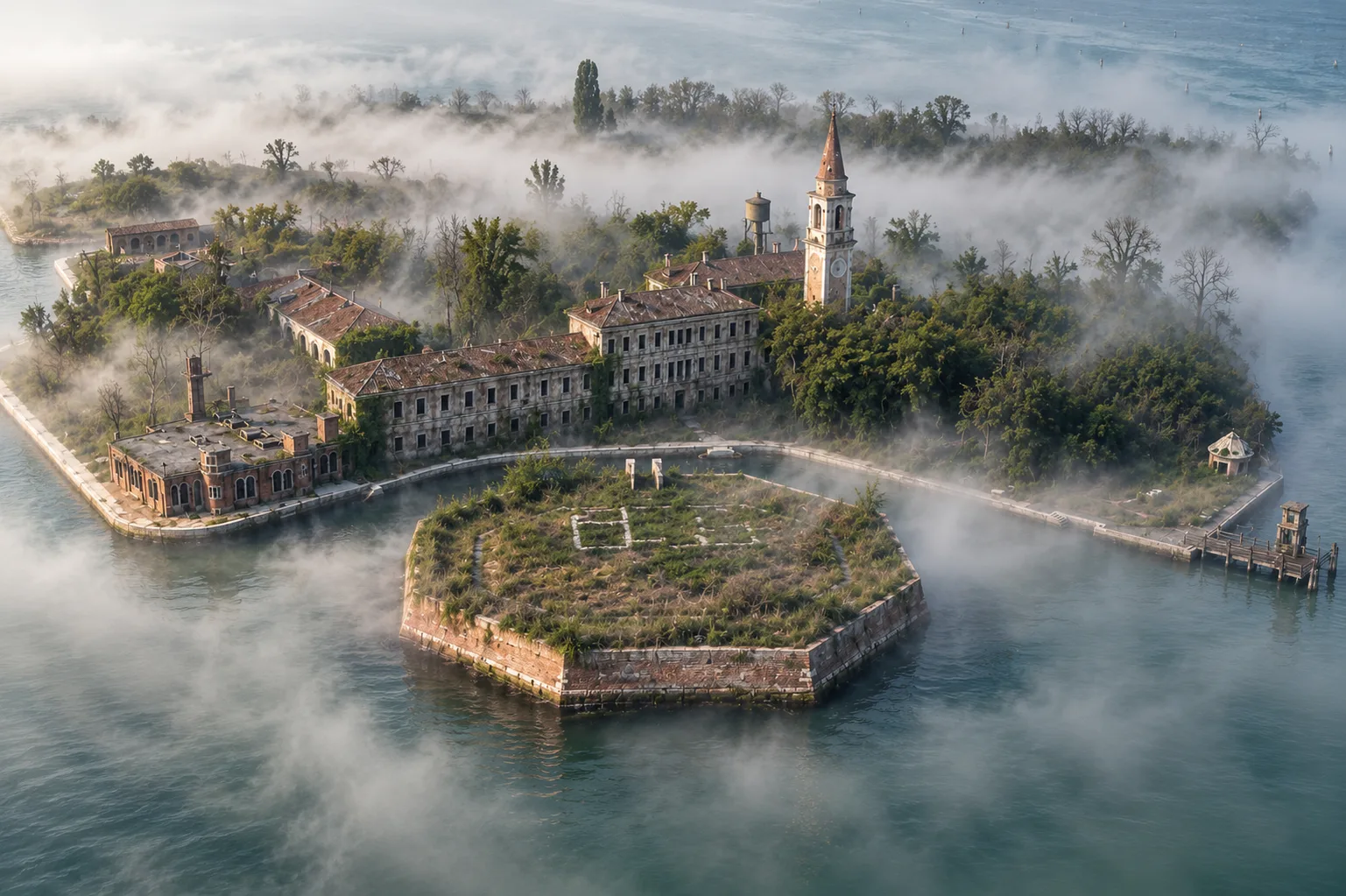
In 2014, Italy offered a 99-year lease on Poveglia through a public auction as part of a broader initiative involving state-owned properties. The goal was straightforward. New investment could restore aging structures while giving the island a productive future.
Among the bidders was Venetian businessman Luigi Brugnaro, whose winning offer reached €513,000. Plans called for substantial investment and extensive restoration work that could breathe life back into the neglected property. For many observers, the story appeared settled as soon as the auction closed.
Yet another contender had already emerged.
A grassroots organization called Poveglia per Tutti, meaning Poveglia for Everyone, began rallying support throughout Venice. Rather than pursuing a private redevelopment project, the group envisioned a future centered on public access, environmental stewardship, and community involvement. Residents, families, business owners, students, and retirees contributed funds, eventually raising approximately €460,000 from more than 4,500 supporters.
What had started as a government auction became something far larger. The bidding process evolved into a citywide conversation about ownership, preservation, and the identity of Venice itself. For many supporters, Poveglia represented more than an abandoned island. It represented a shared piece of local heritage whose future deserved public participation.
A Movement Years in the Making
The campaign did not end when the auction concluded.
Members of Poveglia per Tutti continued organizing, advocating, and pursuing legal avenues in support of their vision. Court victories strengthened the group's position while volunteers maintained public interest in the island's future. Years of persistence turned the movement into one of the most fascinating citizen-led preservation efforts in modern Venice.
Supporters imagined green spaces, cultural initiatives, educational programs, and opportunities for residents to reconnect with a place that had remained inaccessible for decades. Their proposal emphasized public benefit, local stewardship, and long-term preservation rather than exclusive development.
What made the effort unique was its scale. Thousands of individuals had united around a property famous for abandonment, proving that public auctions can inspire communities just as powerfully as they attract investors.

From Haunted Legend to Public Future
On August 1, 2025, the citizens' association achieved a milestone many observers once considered unlikely. The group received a six-year concession for the northern portion of Poveglia, allowing work to begin on creating an urban lagoon park while preserving access for the broader community.
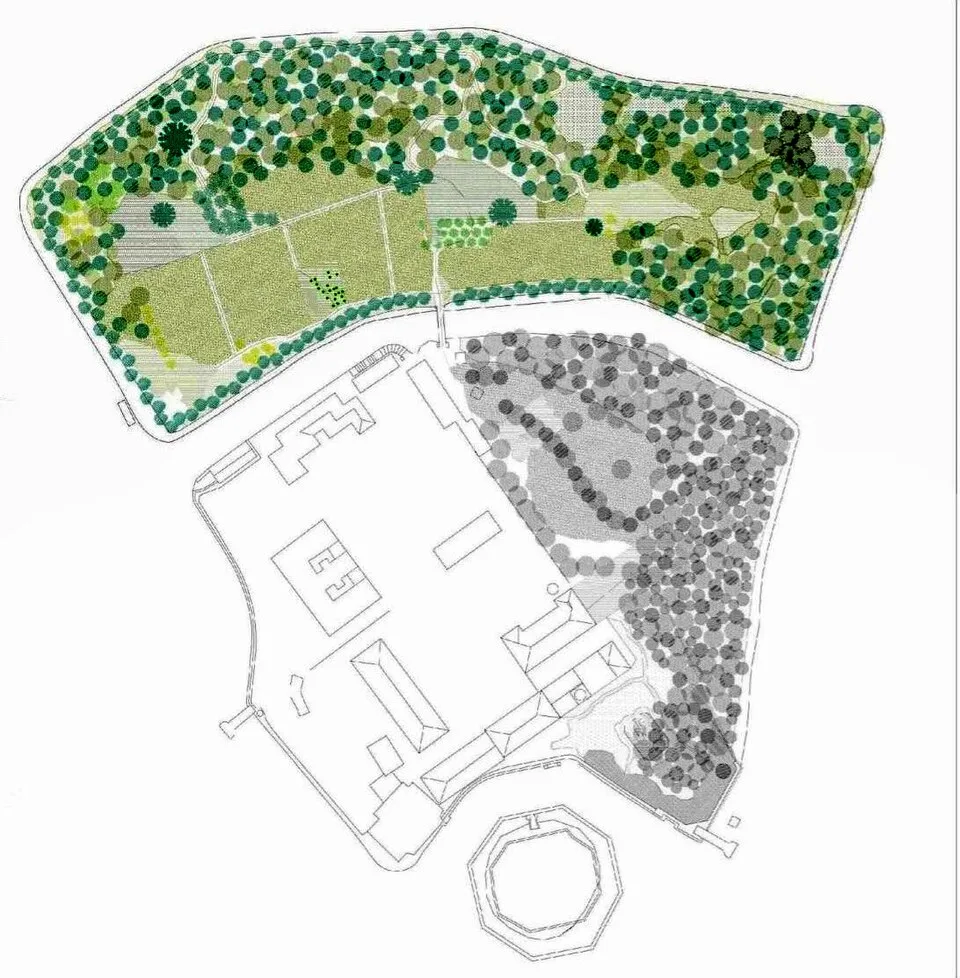
The vision includes improved access, safer mooring facilities, conservation efforts, and public spaces designed to reconnect Venetians with one of the lagoon's most storied locations. What was once known primarily through frightening legends is now becoming known through restoration, stewardship, and civic participation.
The transformation carries a certain poetic quality. A place long associated with tales of isolation has become a symbol of community. An island famous for abandonment has inspired thousands of people to invest their time, money, and energy in its future. A government auction intended to transfer stewardship of a neglected property ultimately sparked one of Venice's most successful grassroots preservation movements.
For all the stories told about Poveglia over the years, the most remarkable chapter was never about ghosts. It was about people. It was about citizens who looked across the water at a fading landmark, recognized a piece of their shared history, and decided it was worth fighting for. In the process, they transformed one of the world's most mysterious auction properties into one of its most inspiring.
Get First Contact from UX Auctions · Free. We'll email you first when the sale opens.
Governments around the world sell surplus land, buildings and even islands. A search on UX Search checks the government auction platforms at once, UX Search Analytics shows what government property actually sold for, and the free workspace at UX Console lets you save your searches and follow every bid. Your next great government auction find is waiting at uxsearch.app.
Photo & Resource Information Credits: Photos via Wikimedia Commons
© 2026 UX™ LLC. All Rights Reserved.